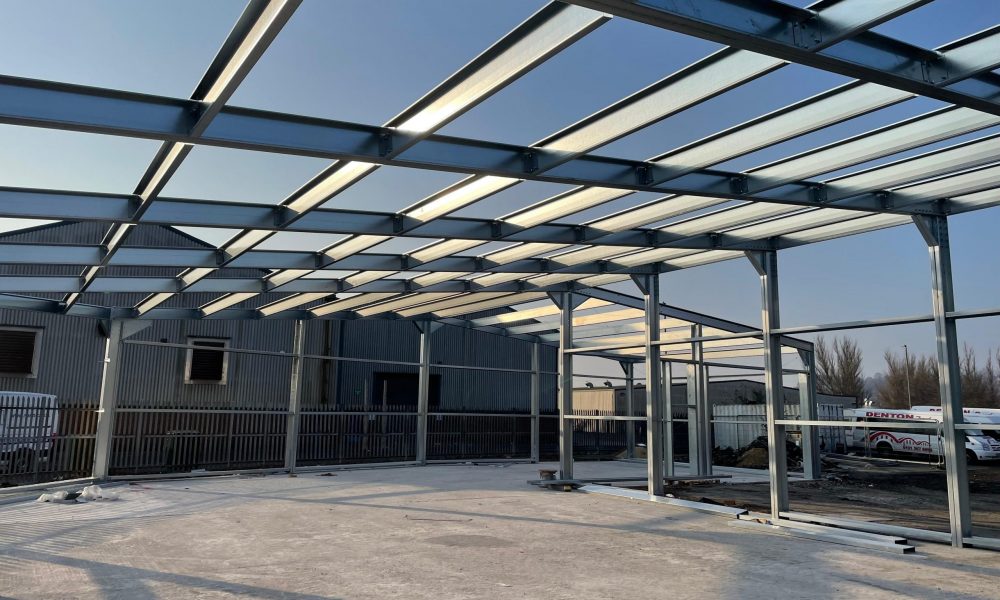
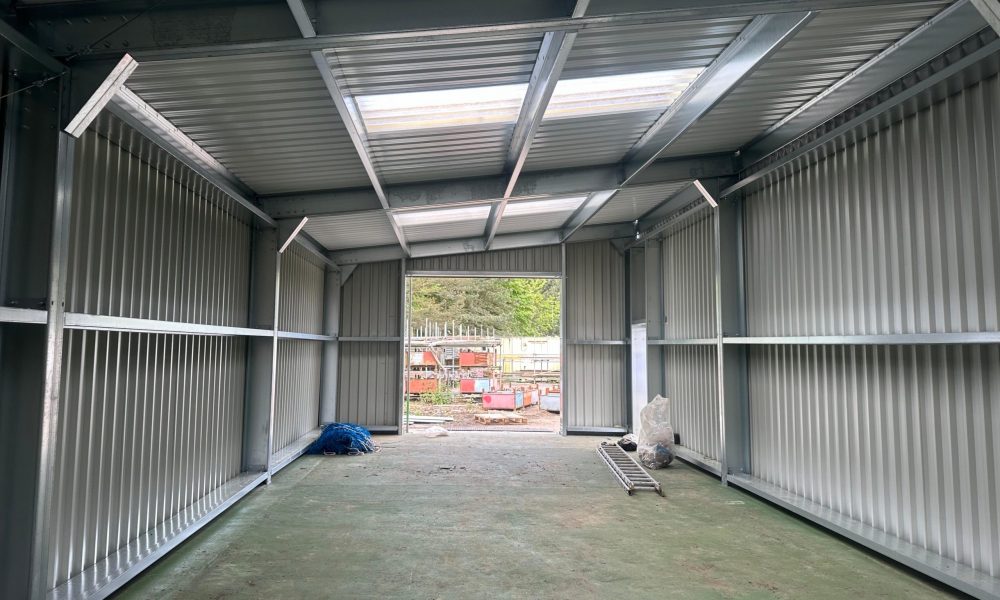
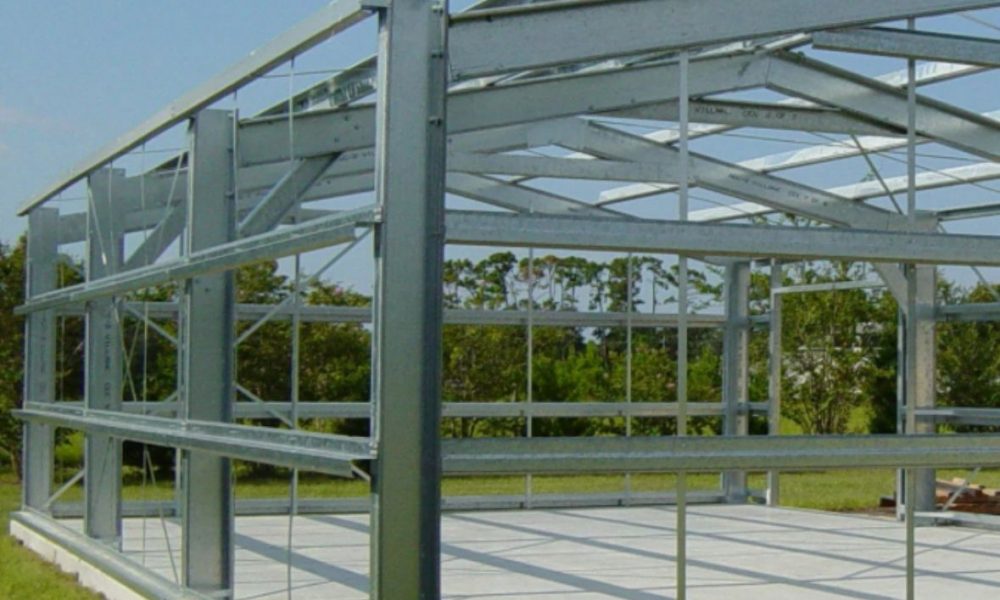
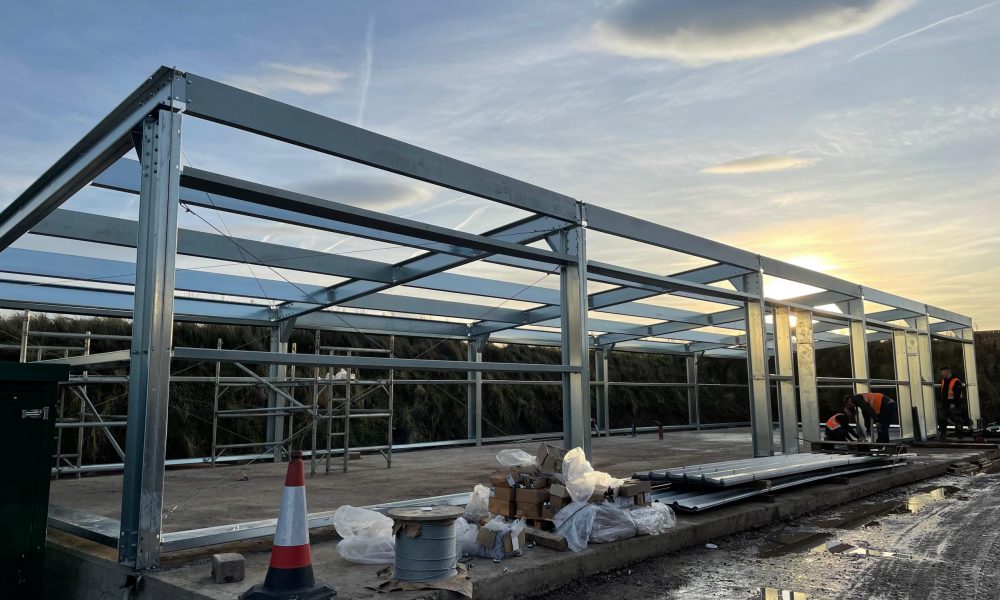
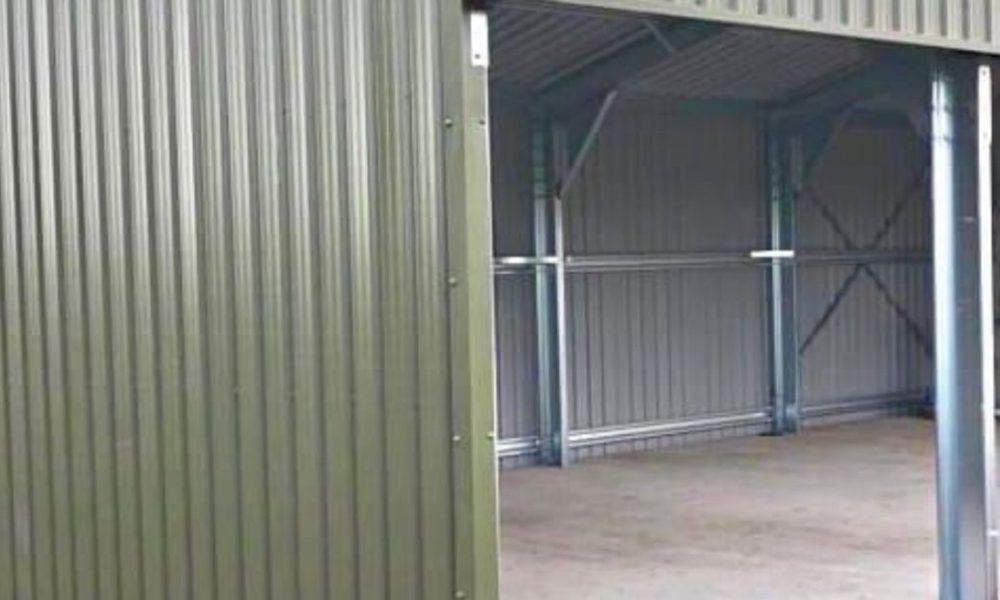
InClad Steel Buildings are designed differently to typical “top-hat” steel buildings. While both systems can meet building regulations, the way they achieve strength and stability is very different.
C Section & Pearlin style buildings
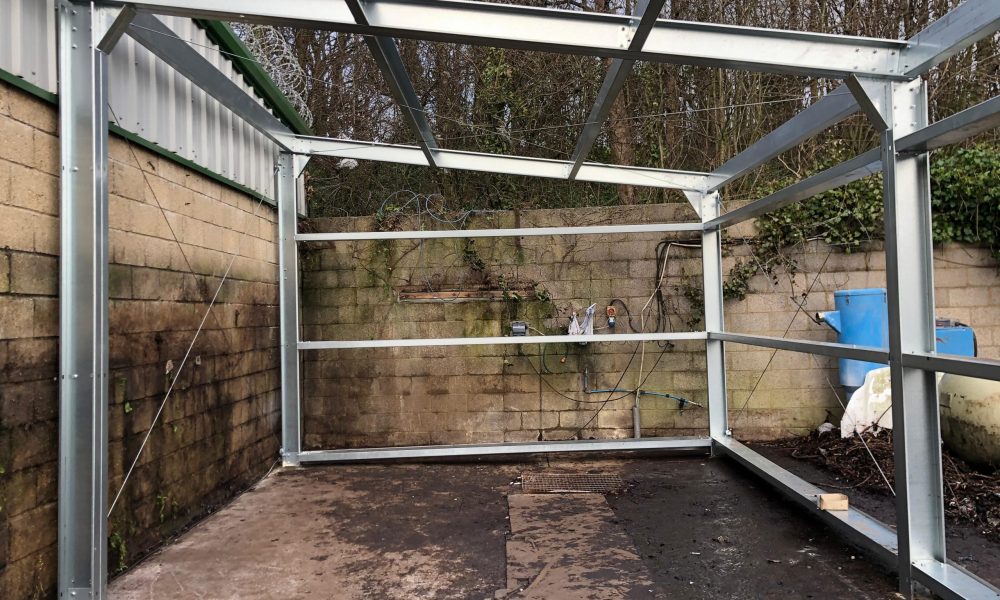
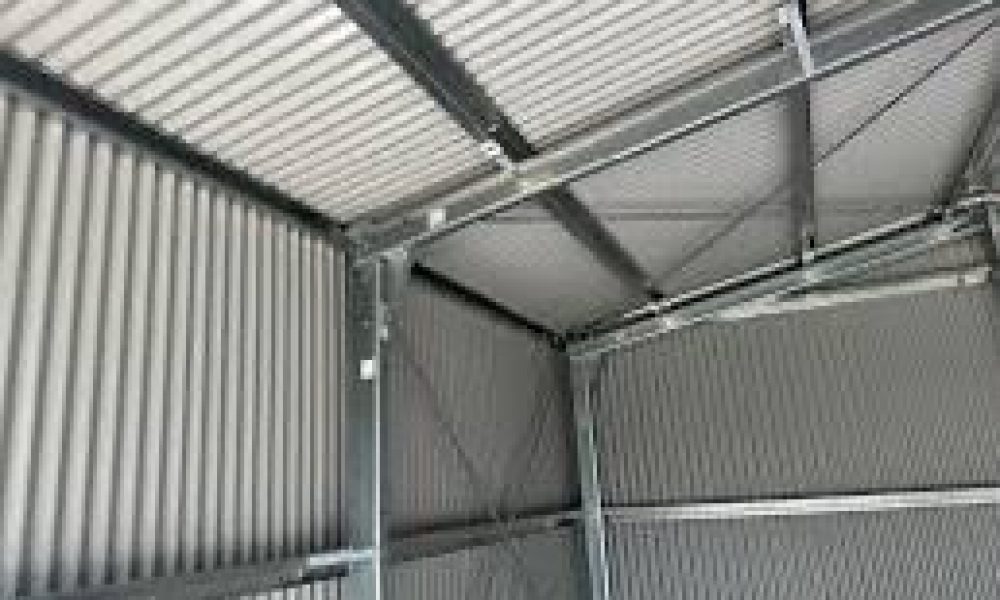
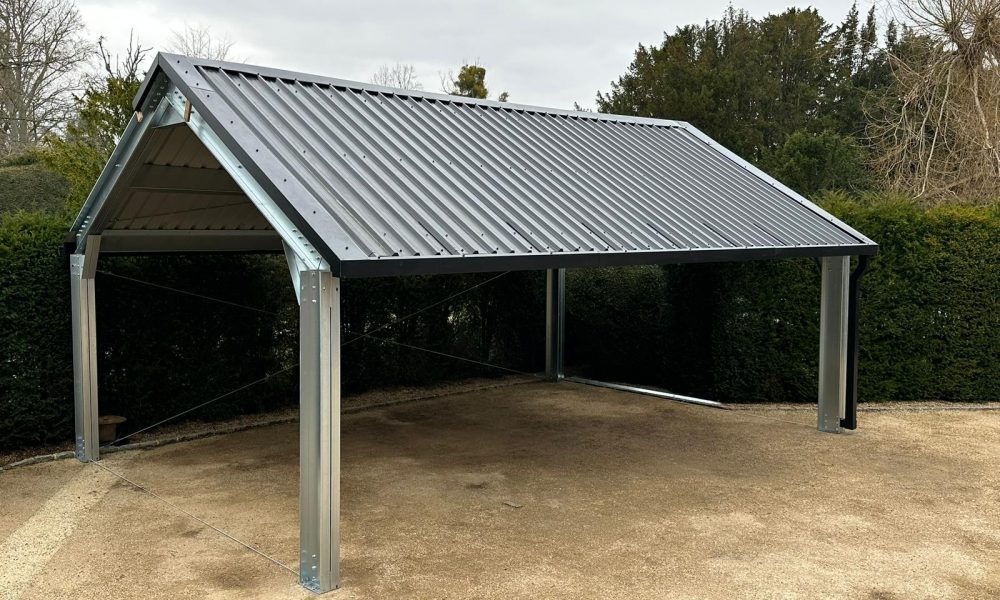
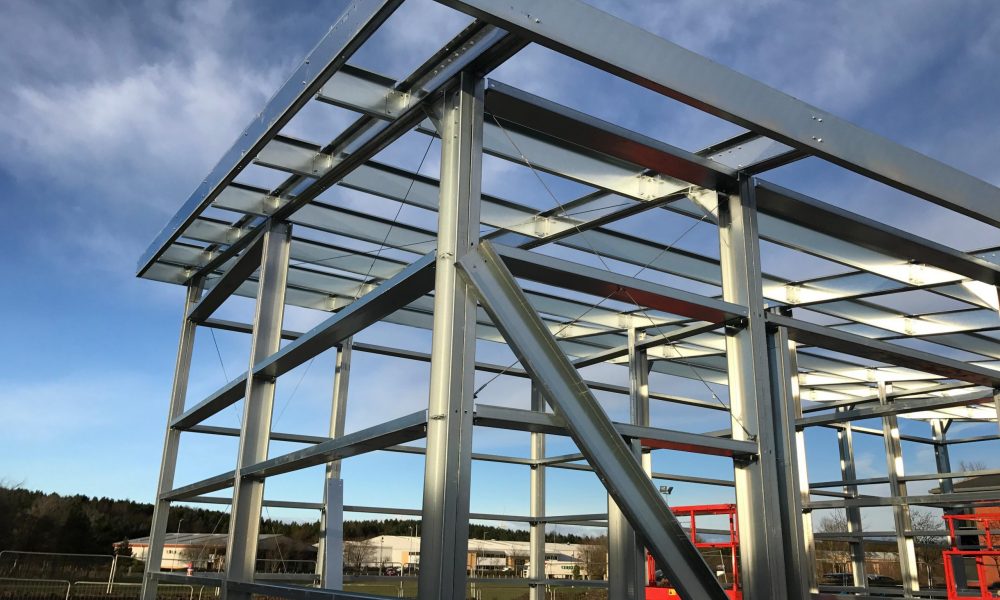
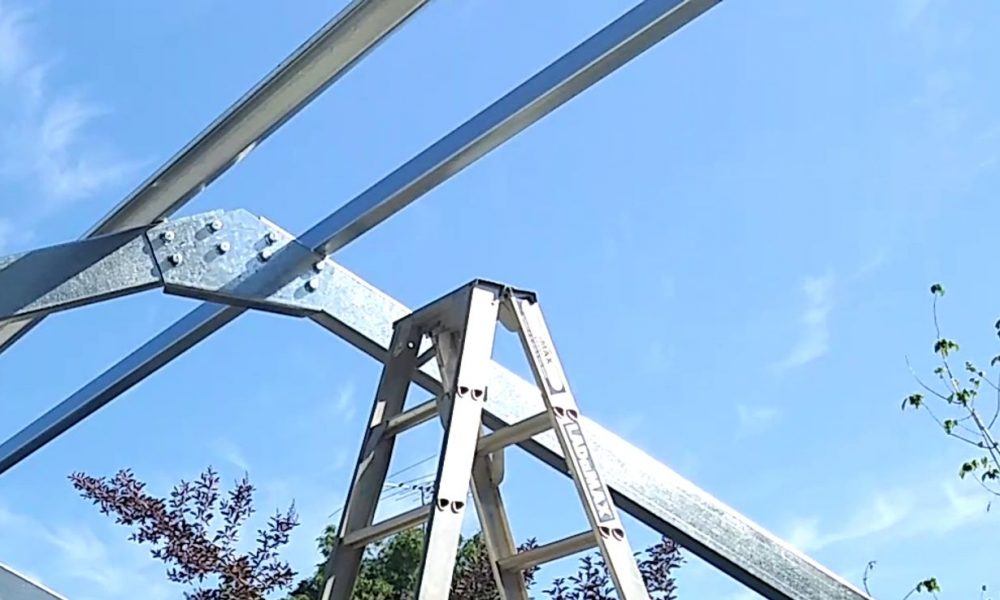
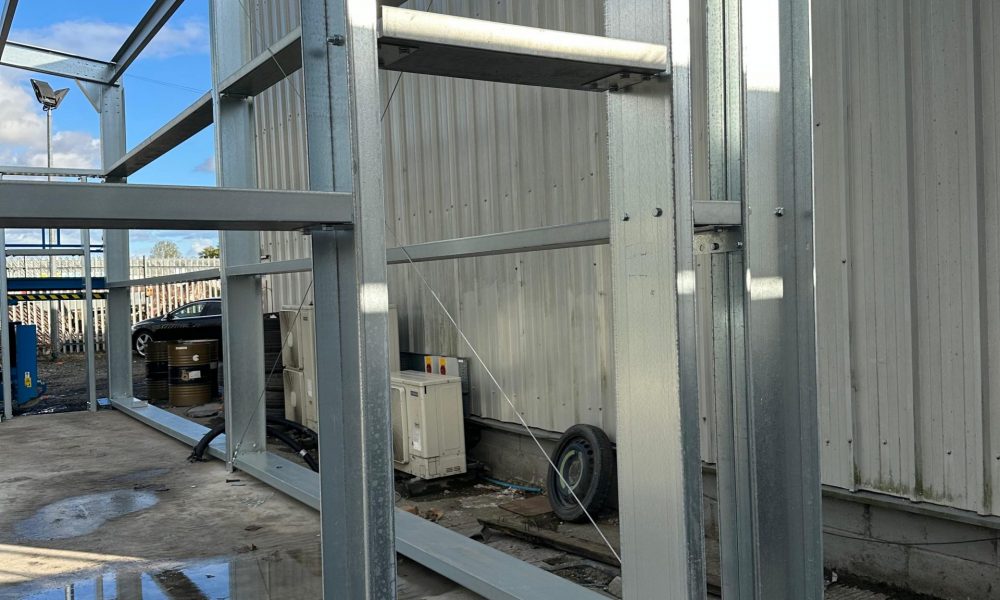
InClad uses a true structural steel portal frame, with oversized knee connections and bolted in-line roof purlins that prioritise strength, stiffness, and long-term durability.
Tophat Style Buildings
Top-hat systems rely on lighter folded steel sections and thinner connections, often depending more on the cladding sheets to achieve stability.
Purlin Position
C Section & Pearlin style buildings
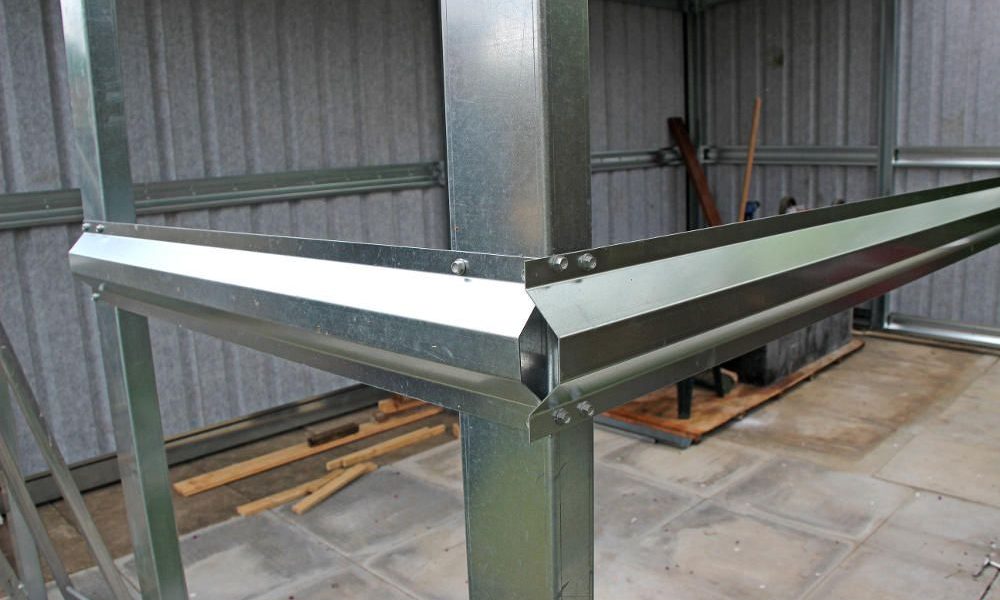
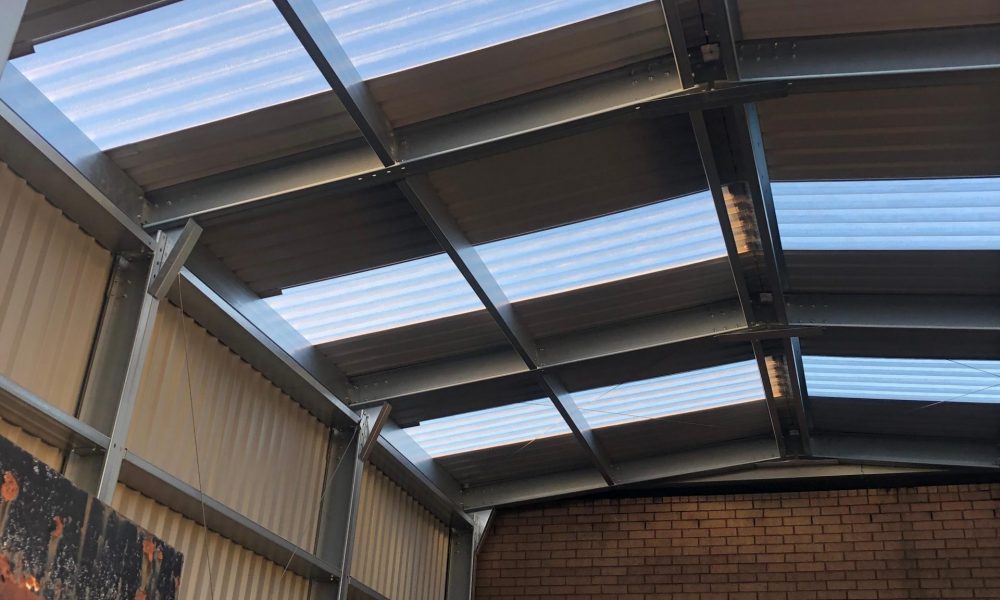
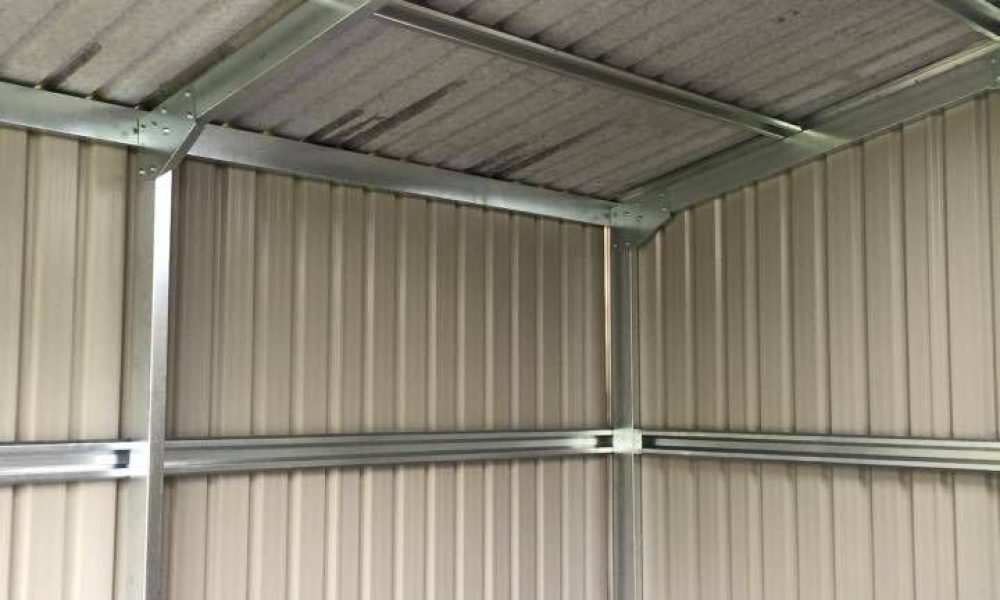
Our purlins (horizontal steel members) sit on the C-section rafters and are connected with engineered brackets/cleats. This ensures a stiff, stable roof system.
Tophat Style Buildings
The purlins are typically part of the thin folded section system, fixed with screws and overlaps rather than engineered joints. This gives much less rigidity and increases risk of movement or noise.
Uprights and Rafters
C Section & Pearlin style buildings
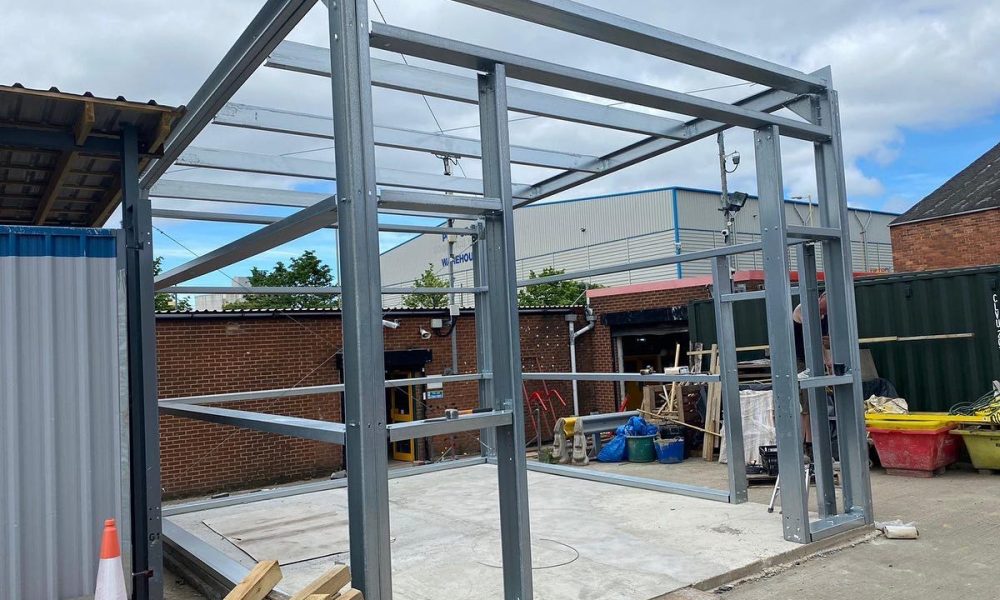
The uprights (vertical columns) and rafters (sloped roof beams) are full-depth structural sections with bolted connections. They are designed to handle heavy loads and span larger widths without internal supports.
Tophat Style Buildings
The uprights and rafters are thin folded profiles fixed with screws. They are only suitable for light duty, short spans and cannot reliably carry heavy loads or long-term stresses.
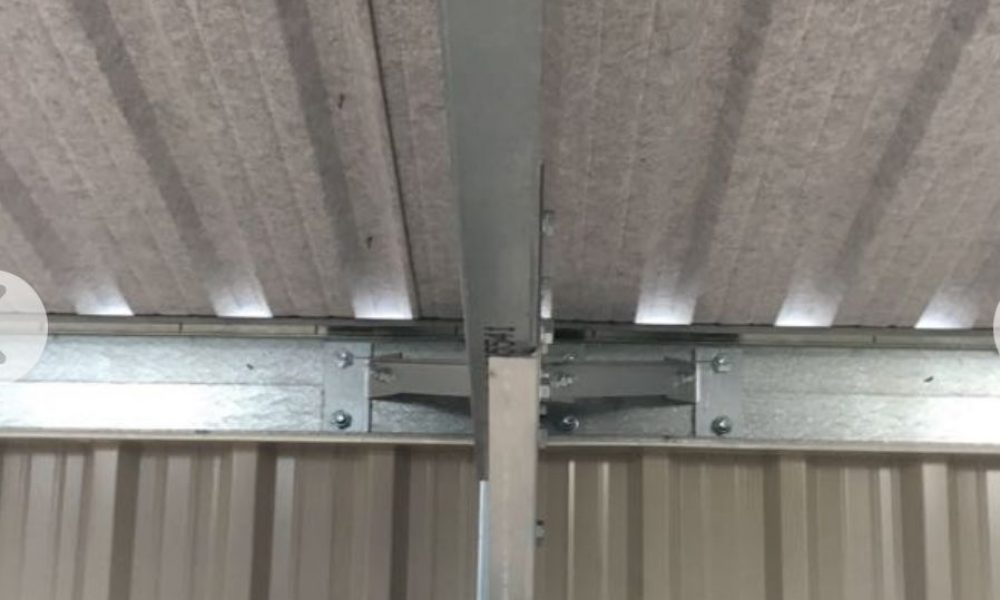
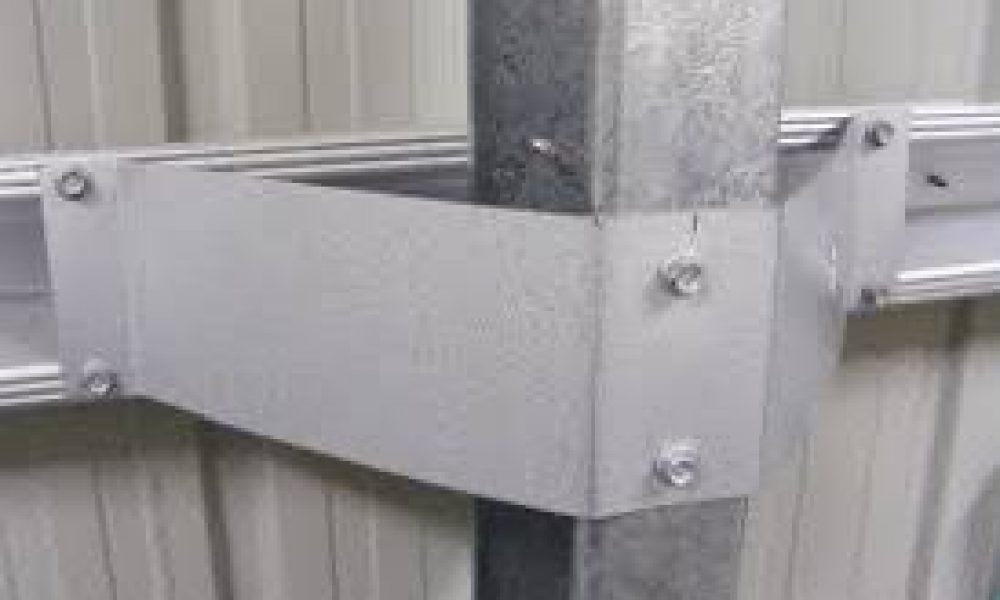
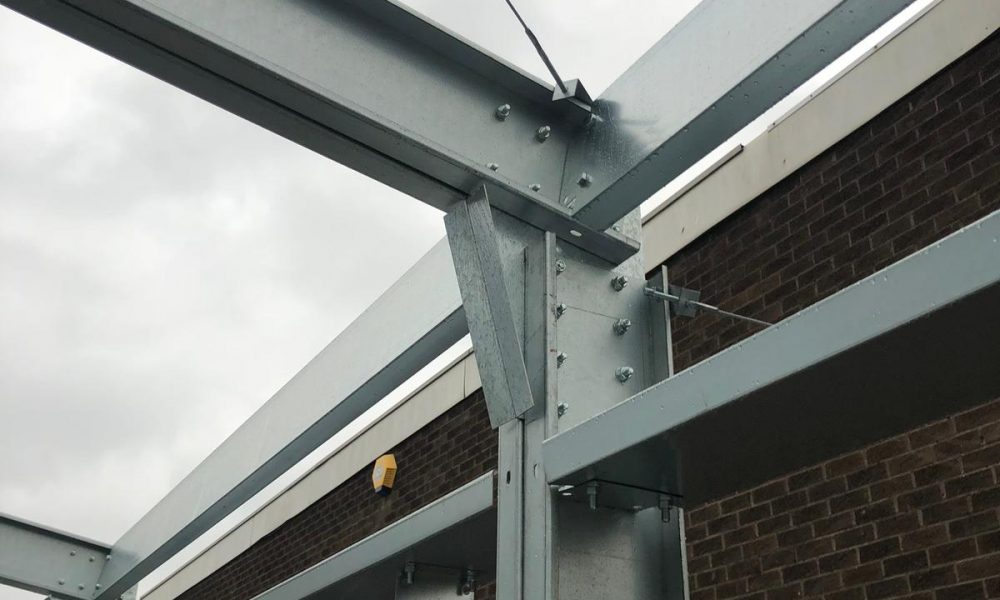
Eaves Haunch Connections
C Section & Purlin style buildings
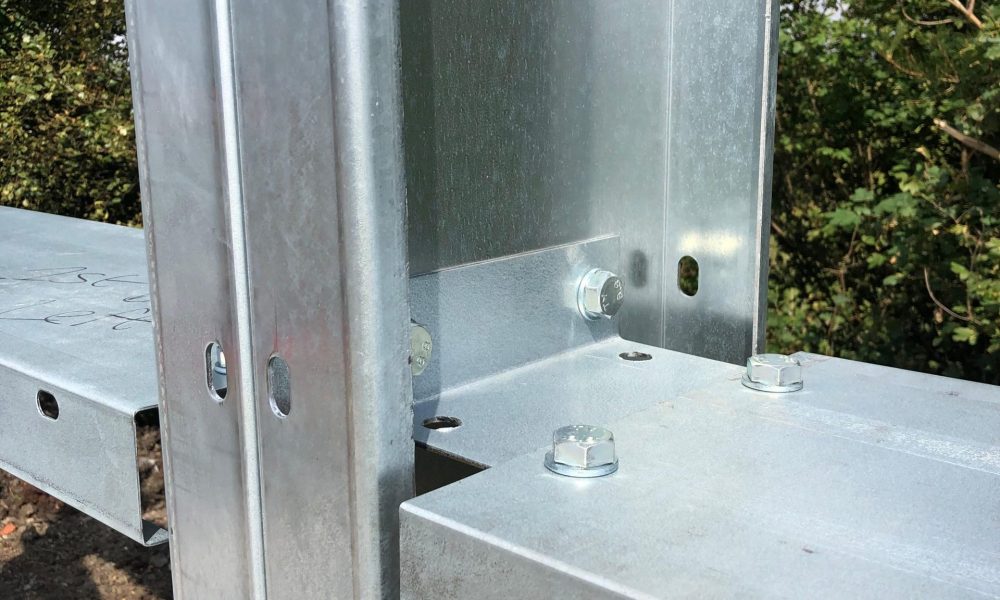
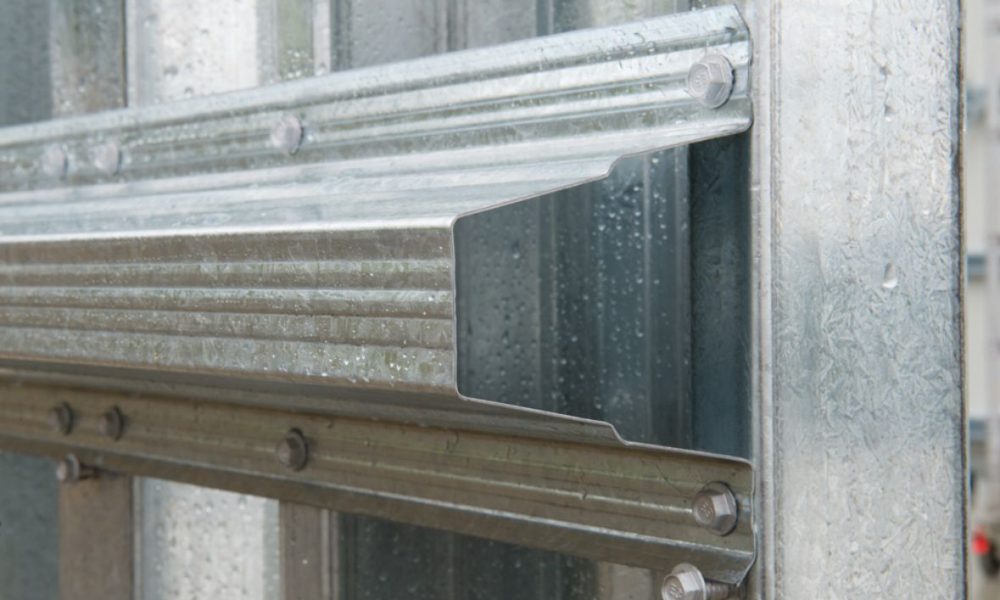
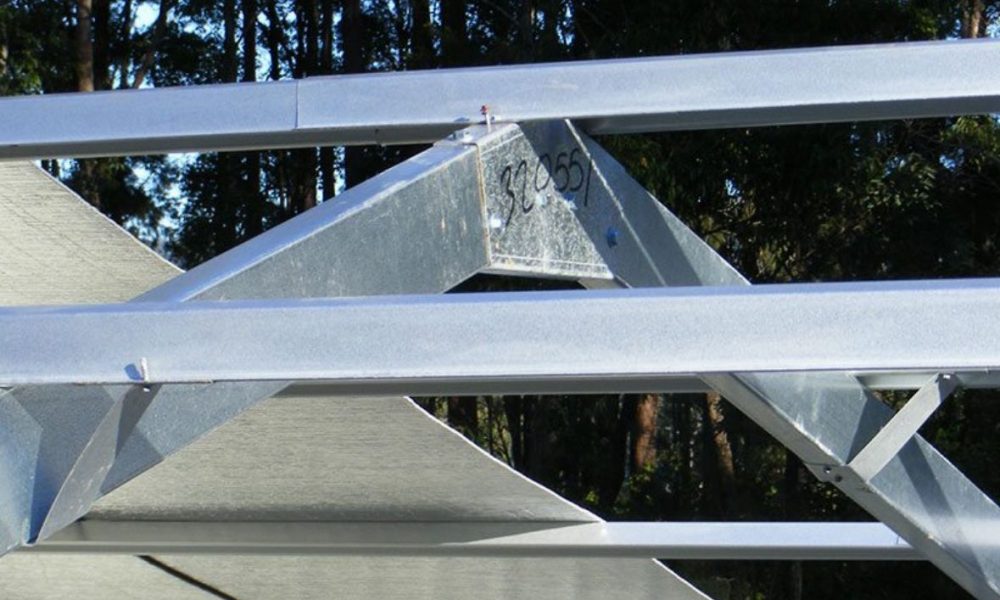
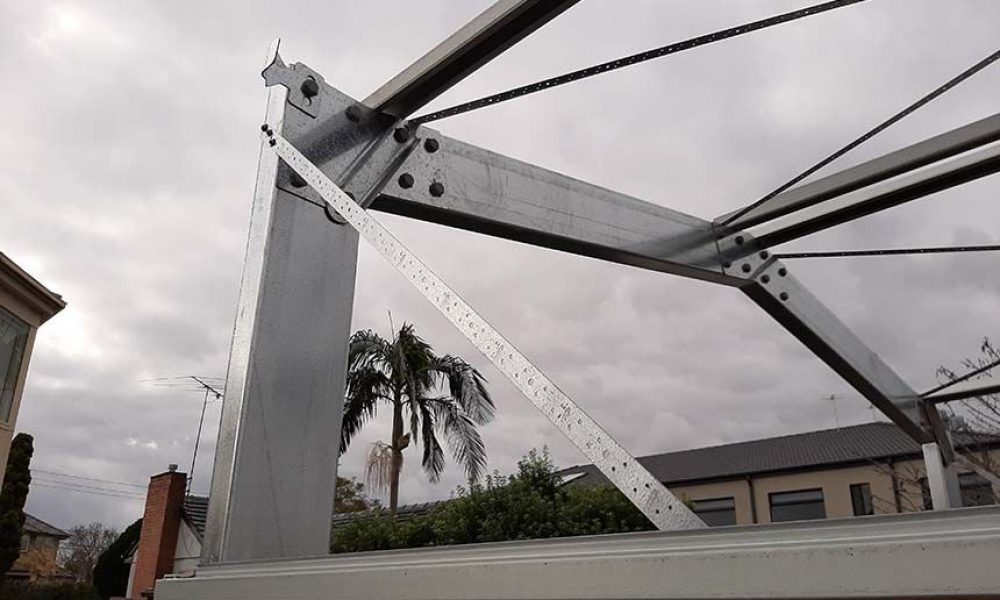
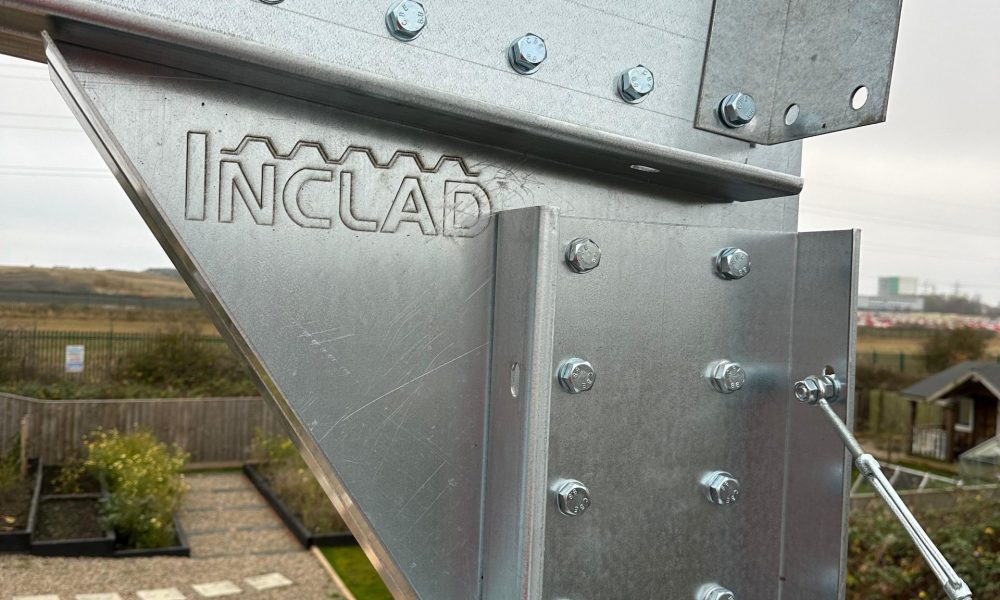
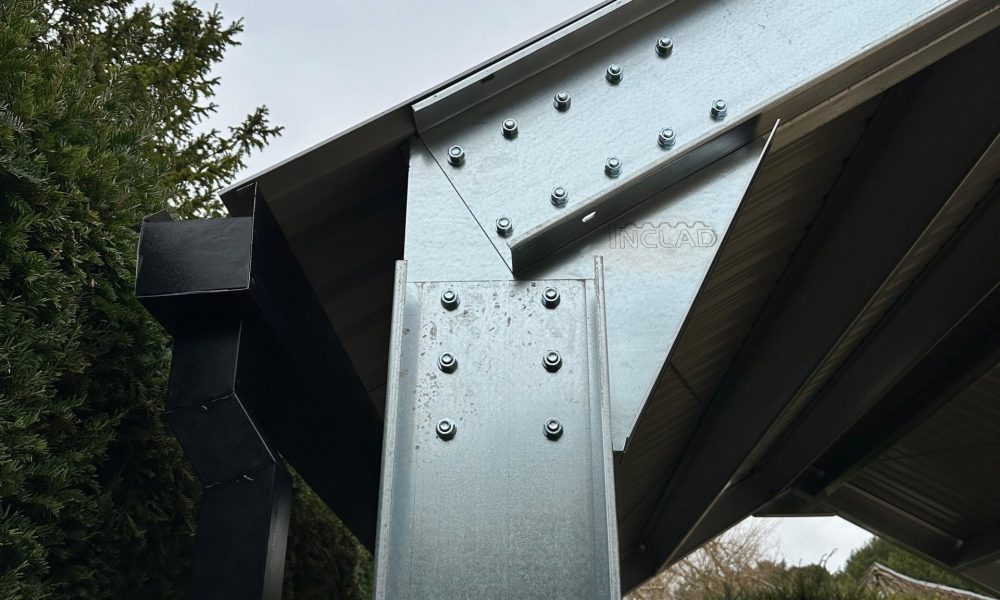
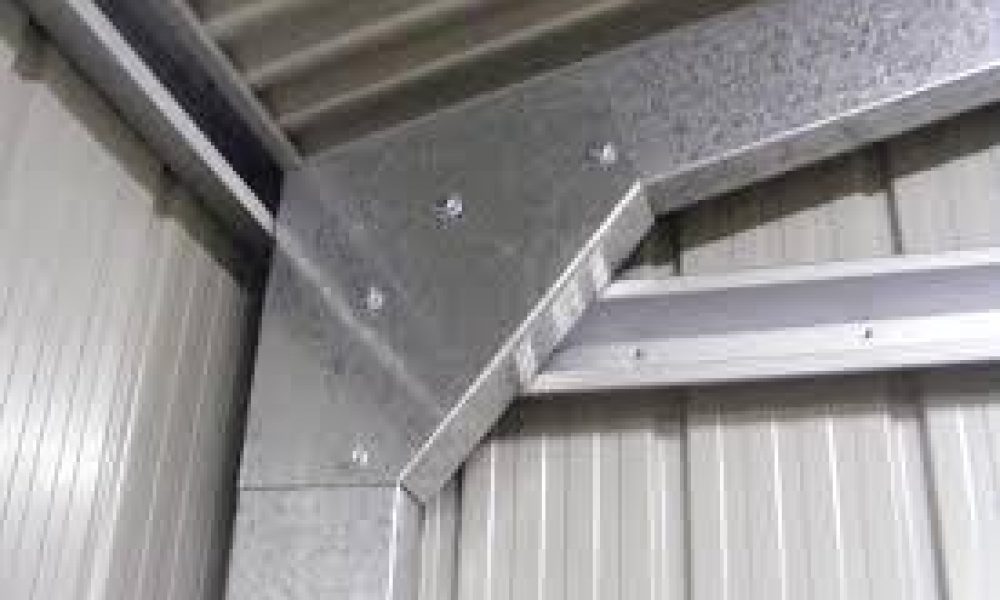
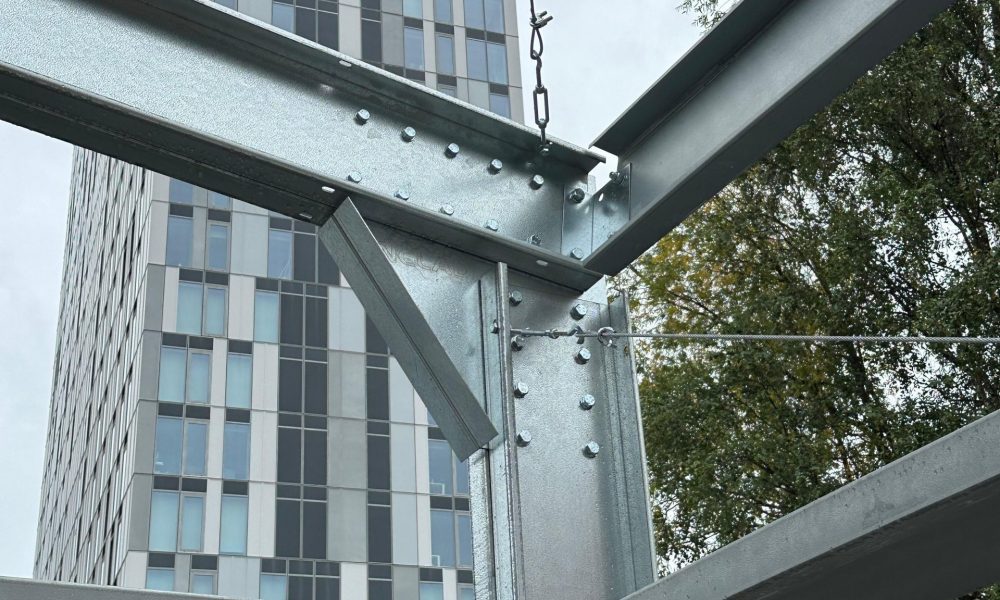
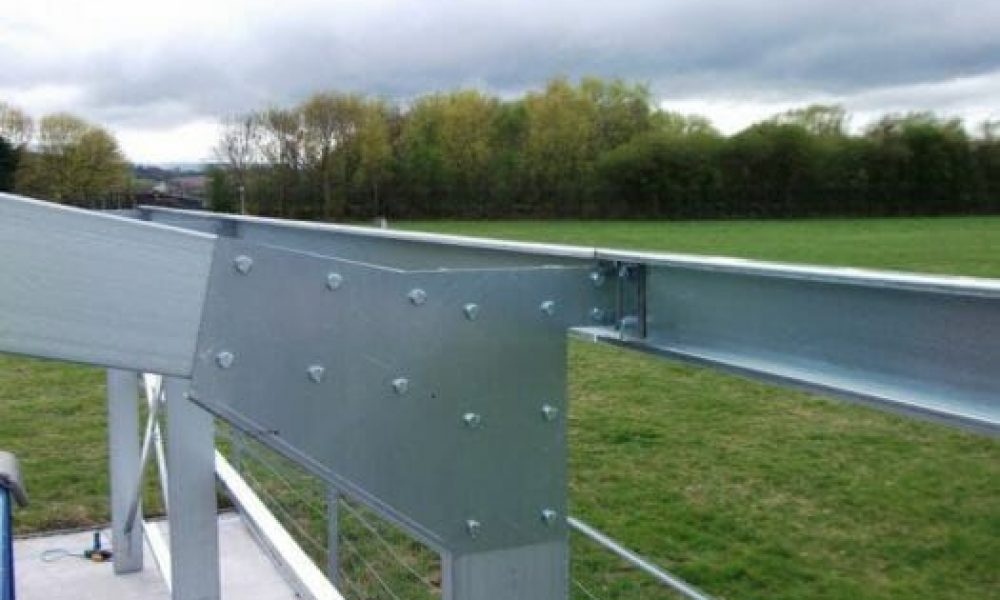
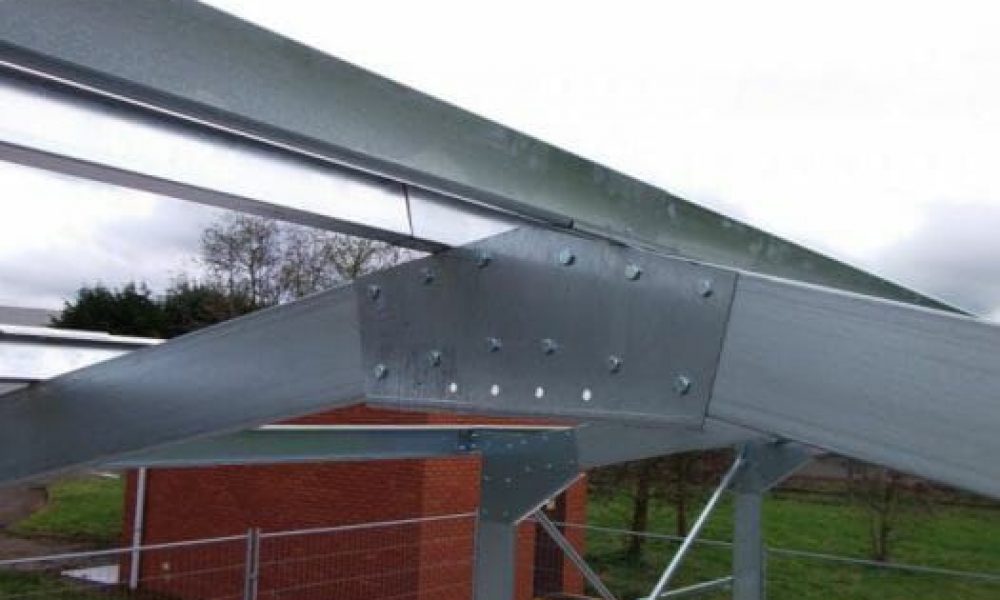
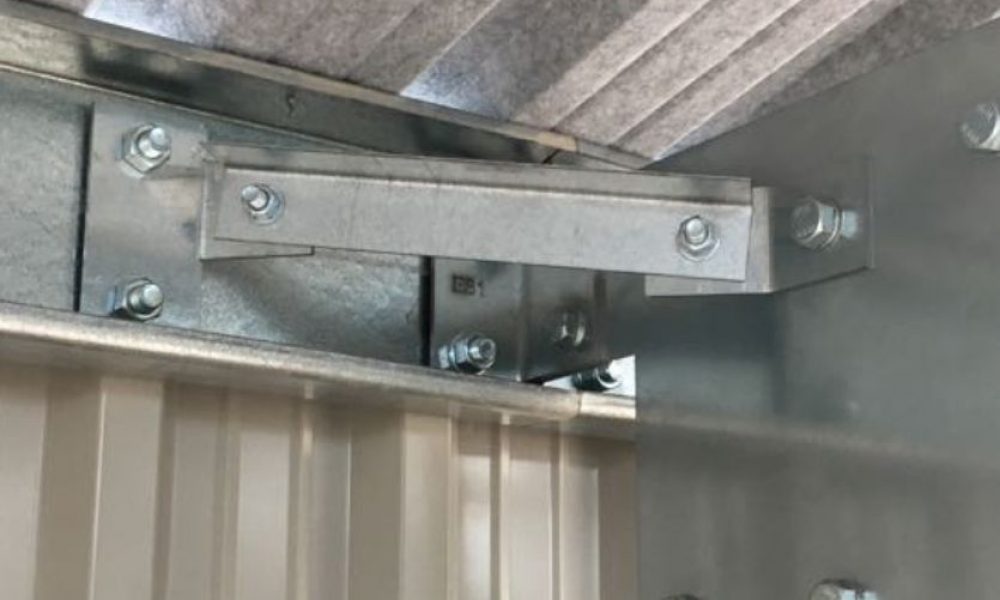
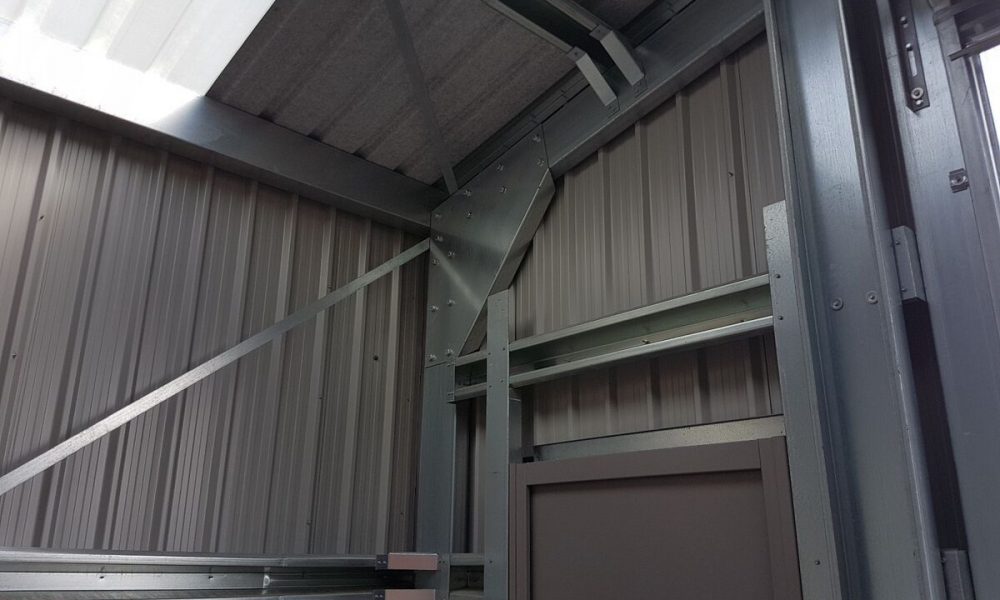
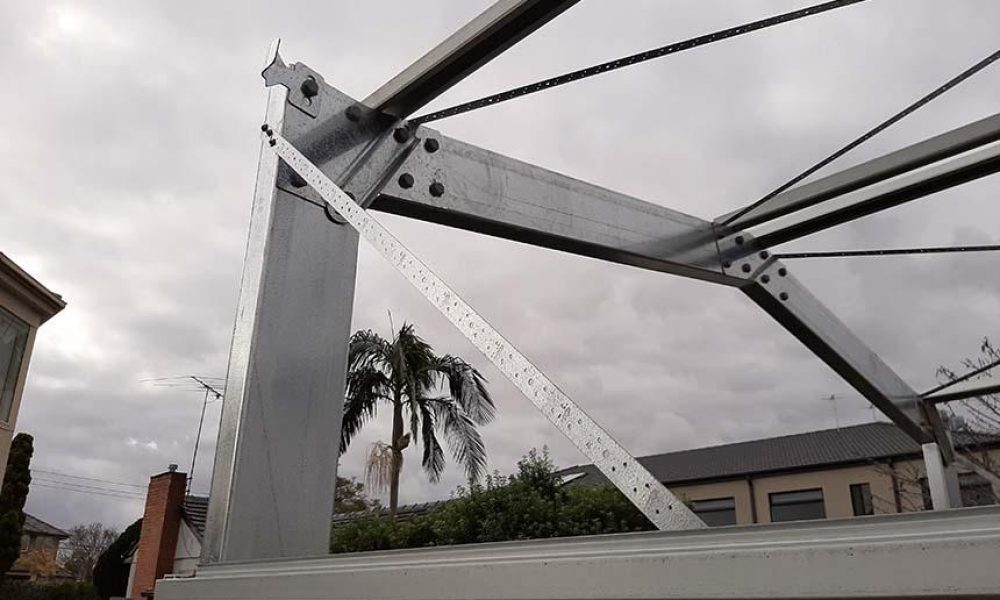
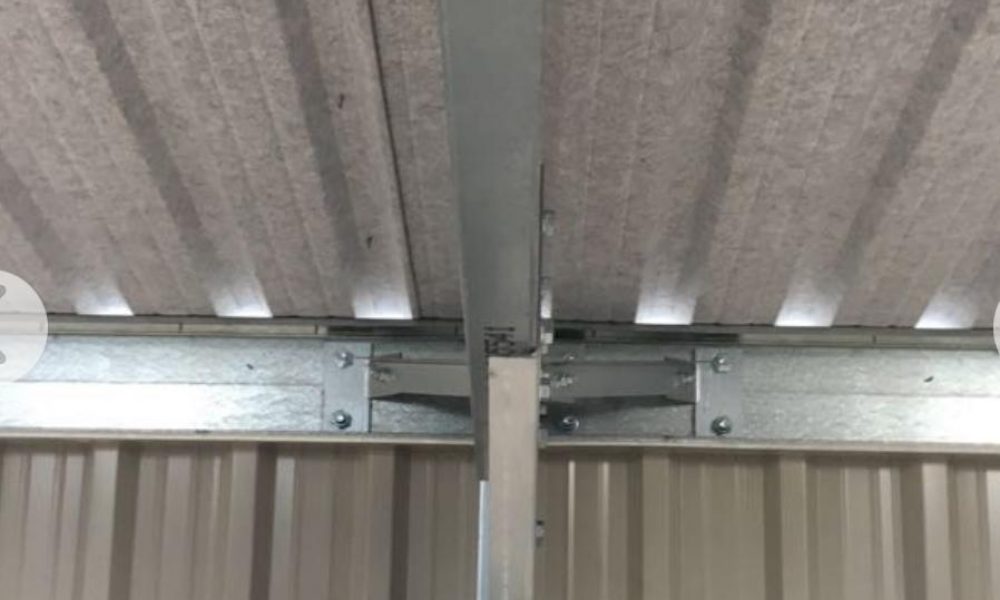
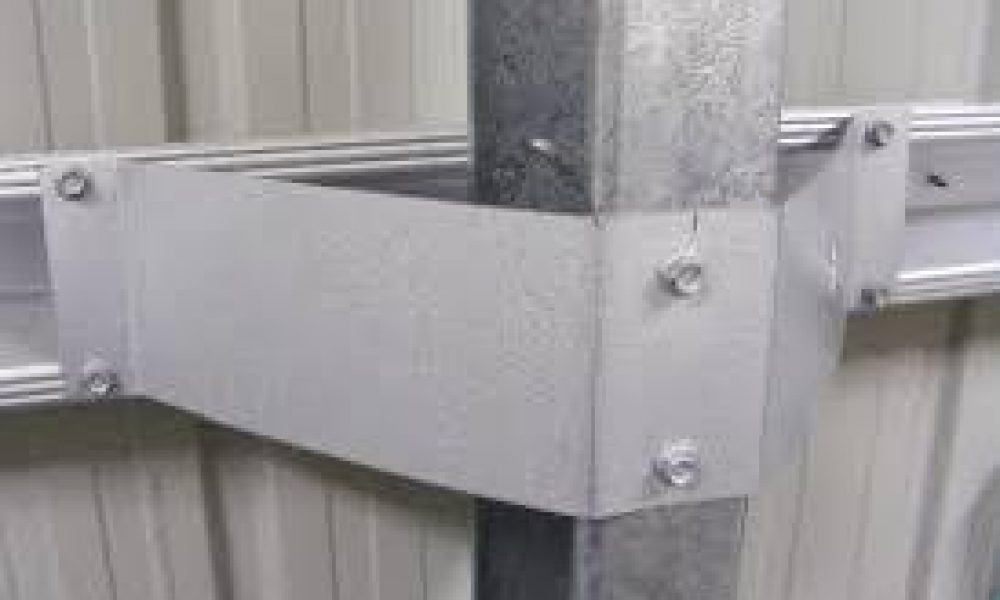
At the point where the roof meets the column, InClad buildings use a larger, heavier knee brace as standard on every build. This spreads structural loads over a bigger area of the frame, reducing movement at the joint and making the building feel more solid and rigid.
Tophat Style Buildings
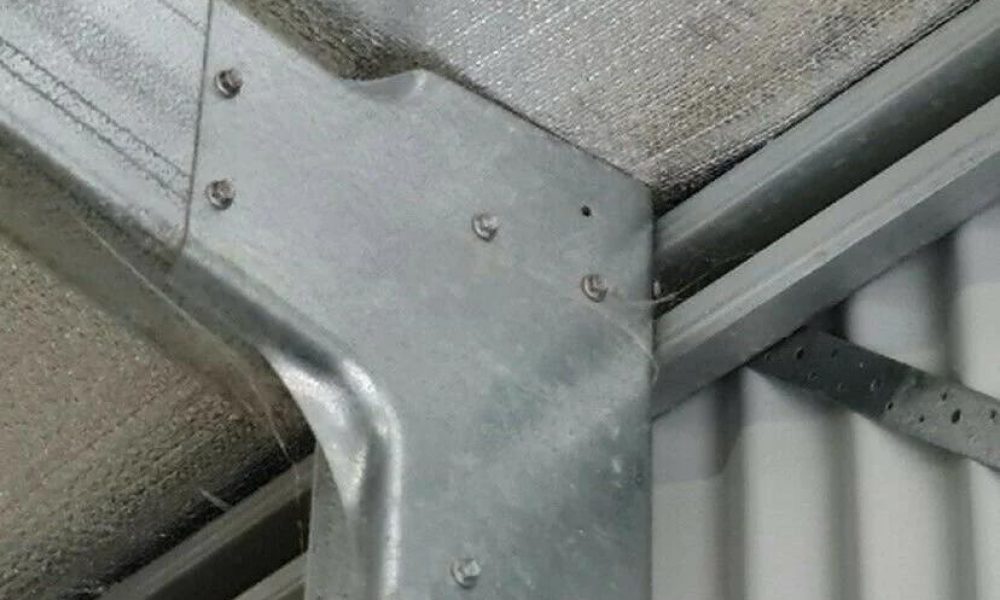
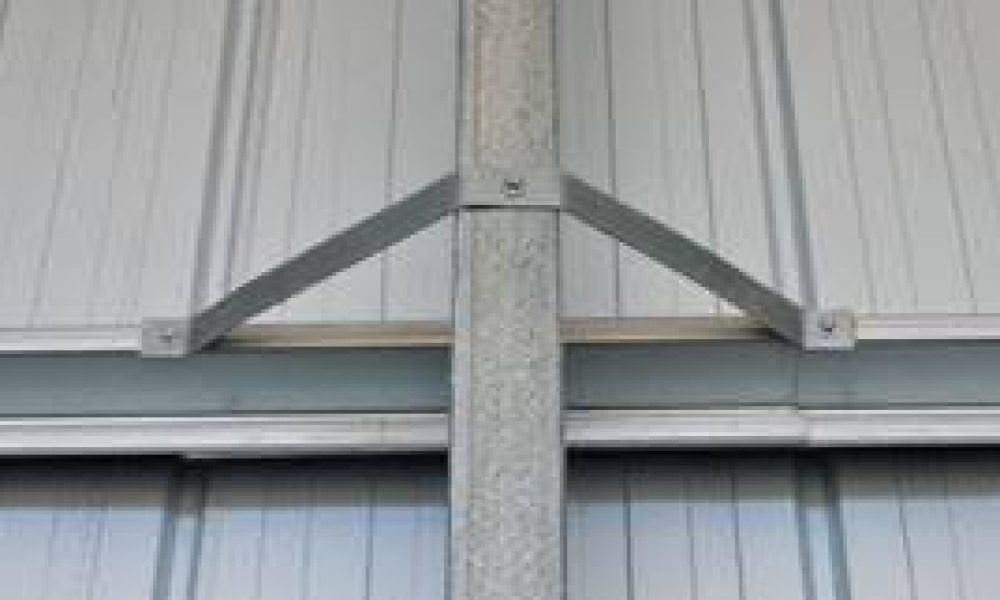
Top-hat style buildings typically use smaller knee plates, designed to the minimum required size. This concentrates stress into a smaller area and allows more movement in the frame, particularly in windy conditions.
Why this matters:
A stronger knee connection improves overall frame stiffness, reduces long-term fatigue, and helps doors and openings stay better aligned over time.
Eaves Detail
C Section & Purlin style buildings
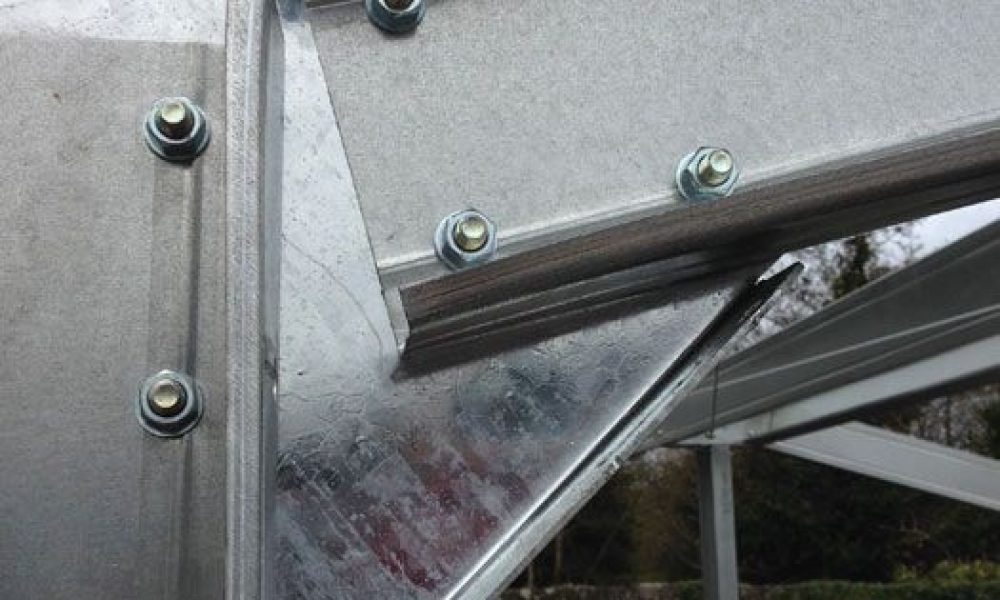
Detailed, engineered connections at the eaves including pre-punched cleats and bolted brackets. Everything is factory prepared for accuracy and strength.
Tophat Style Buildings
On-site drilled cleats and on-site drilled uprights. Fixed with Tek screws (5mm or so). This leaves more margin for human error, mis-alignment, weaker joint capacity and less durability.
Ridge Haunch Connections
C Section & Purlin style buildings
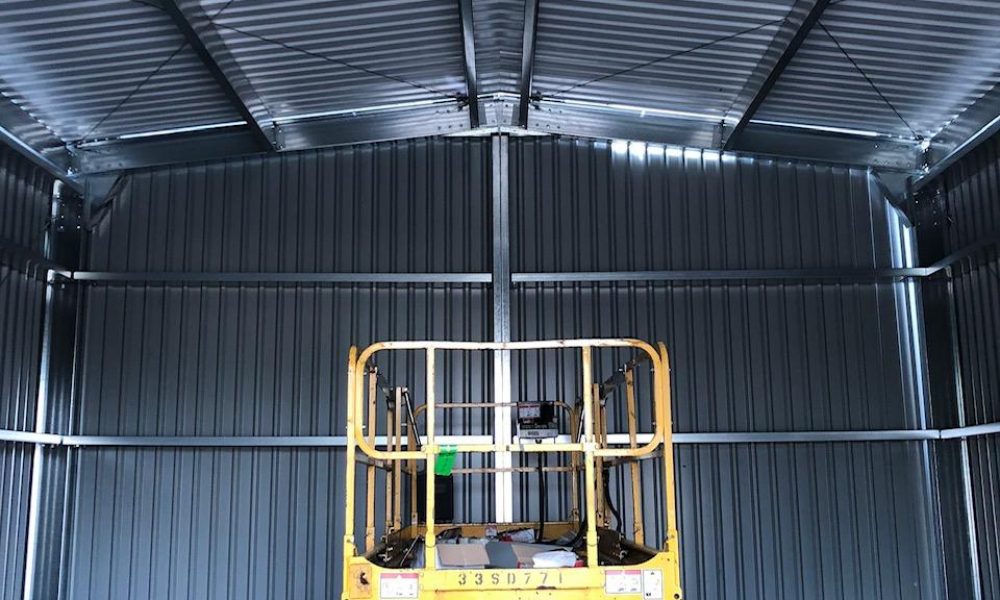
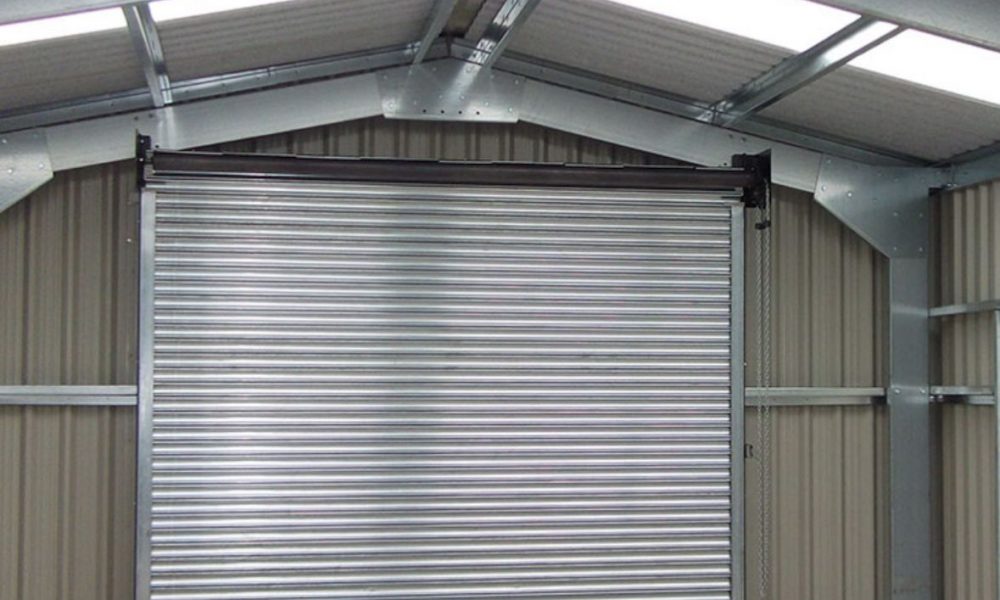
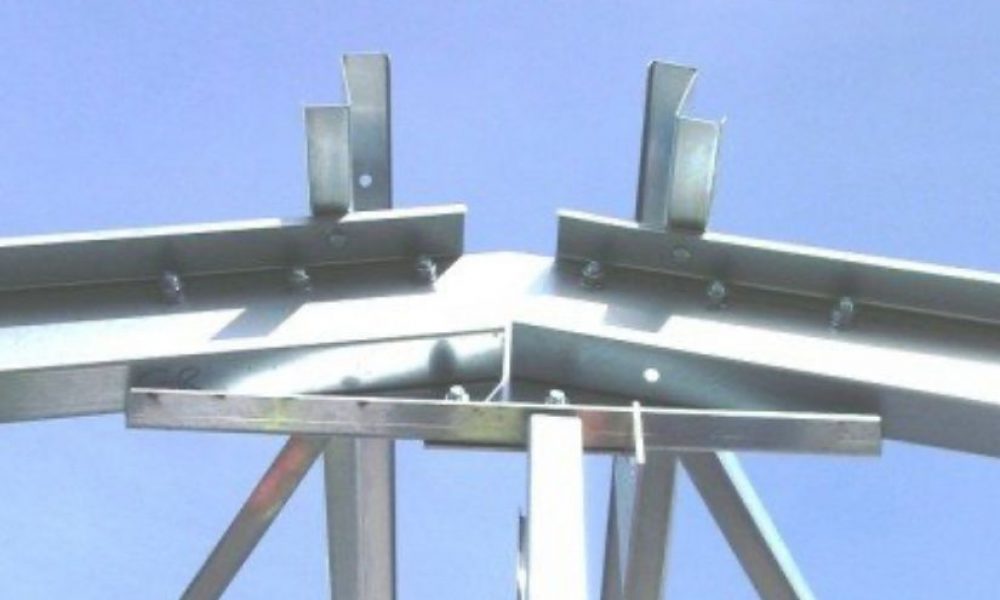
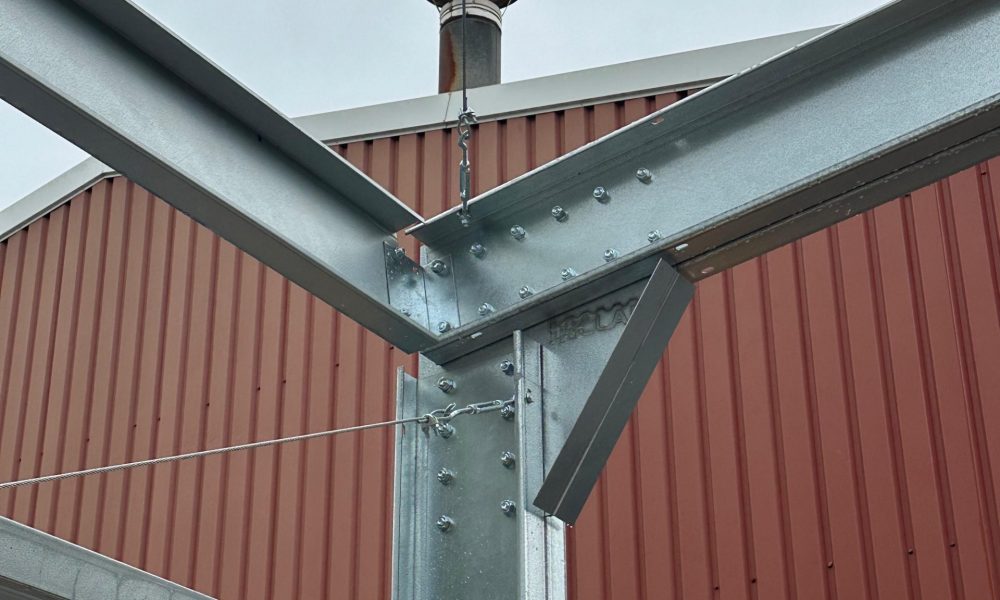
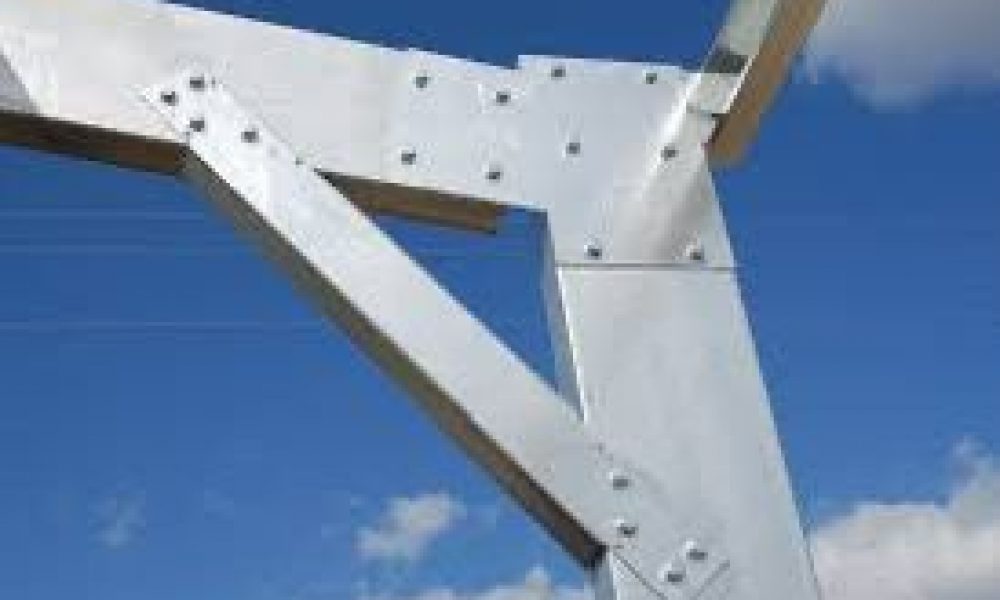
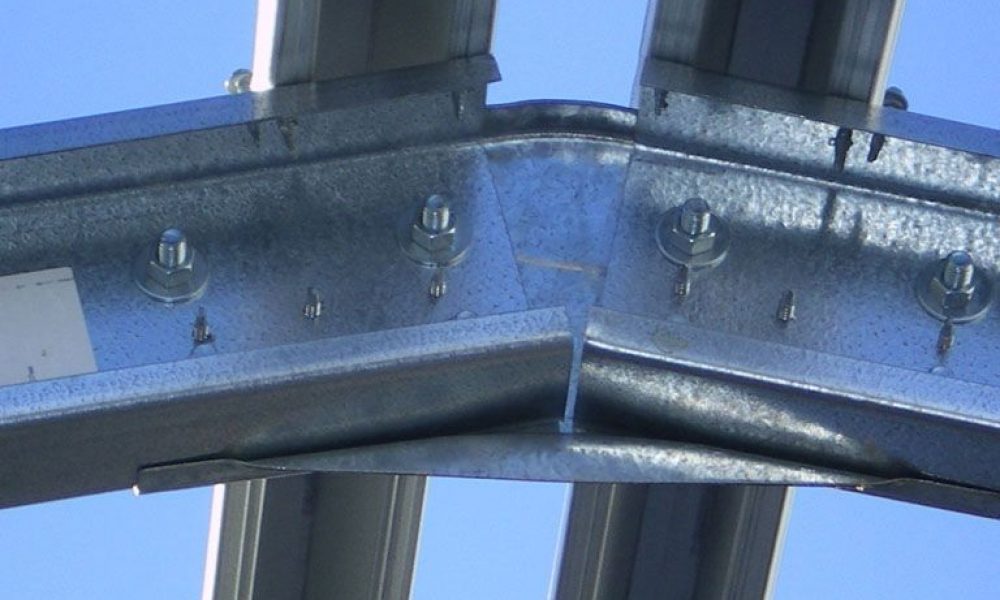
At the ridge (top of the roof) we again use engineered bolted haunches and cleats so that the roof structure is a continuous, integrated system — no weak links.
Tophat Style Buildings
Ridge connections fixed with simple screws or thin brackets, meaning the roof system is not truly continuous. More risk of deflection (droop), movement or leakage under load.
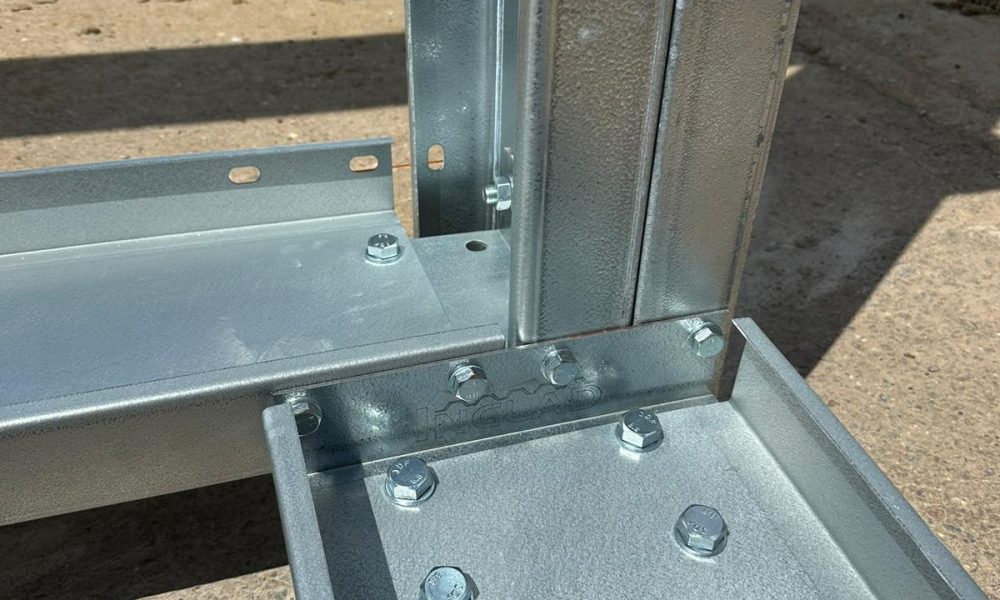
Cleat Detail
C Section & Purlin style buildings
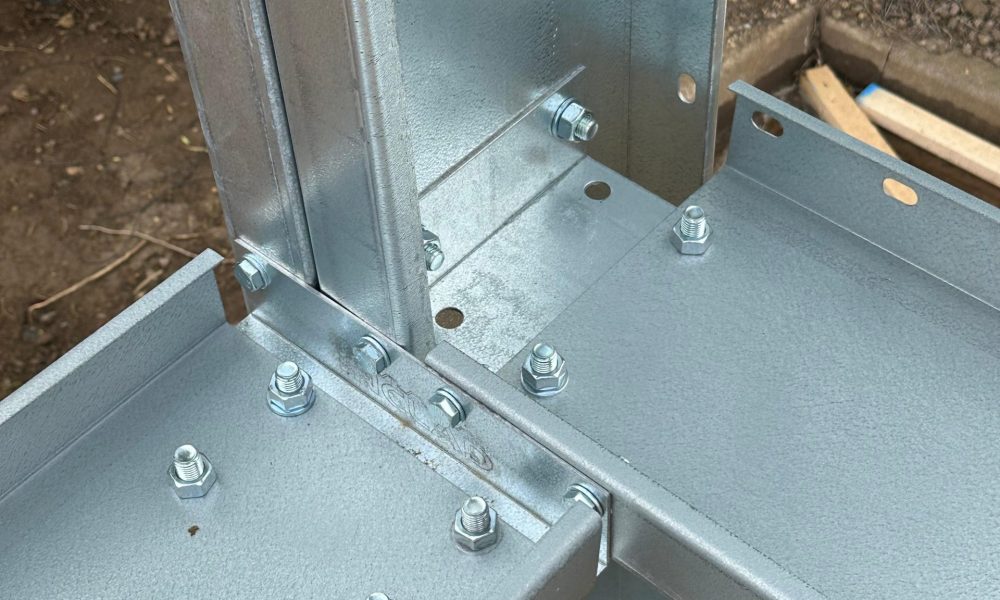
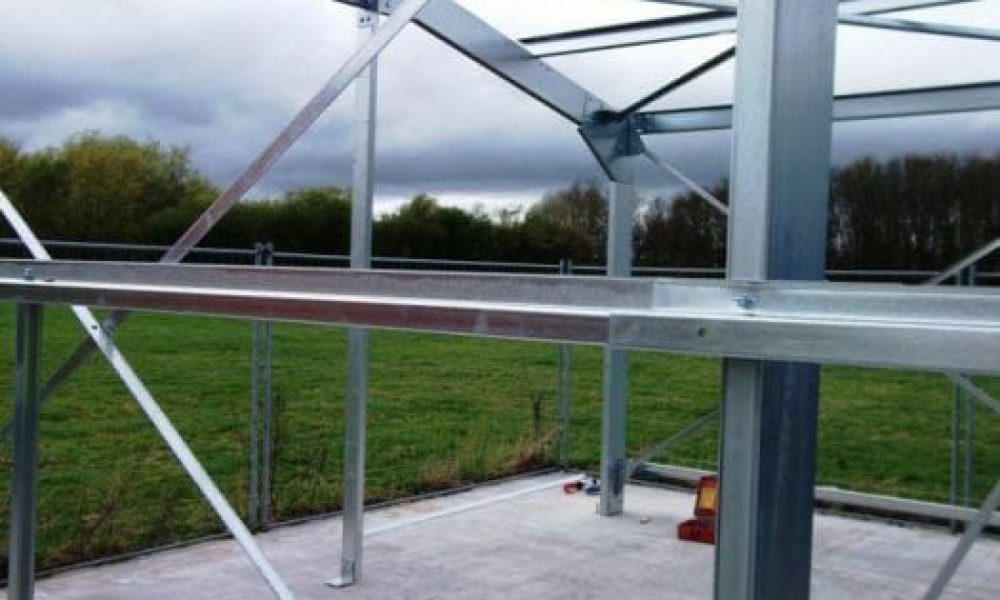
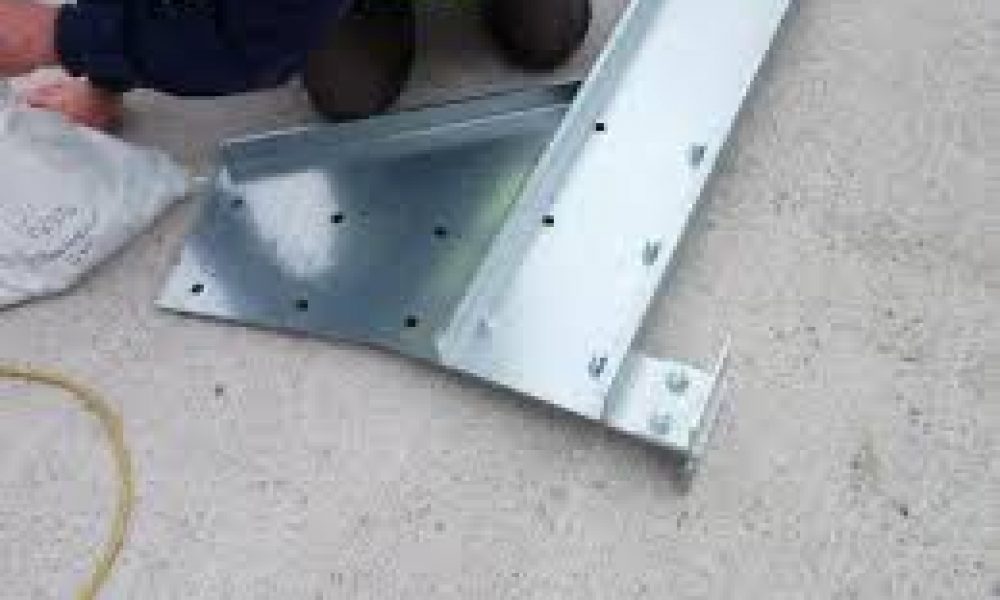
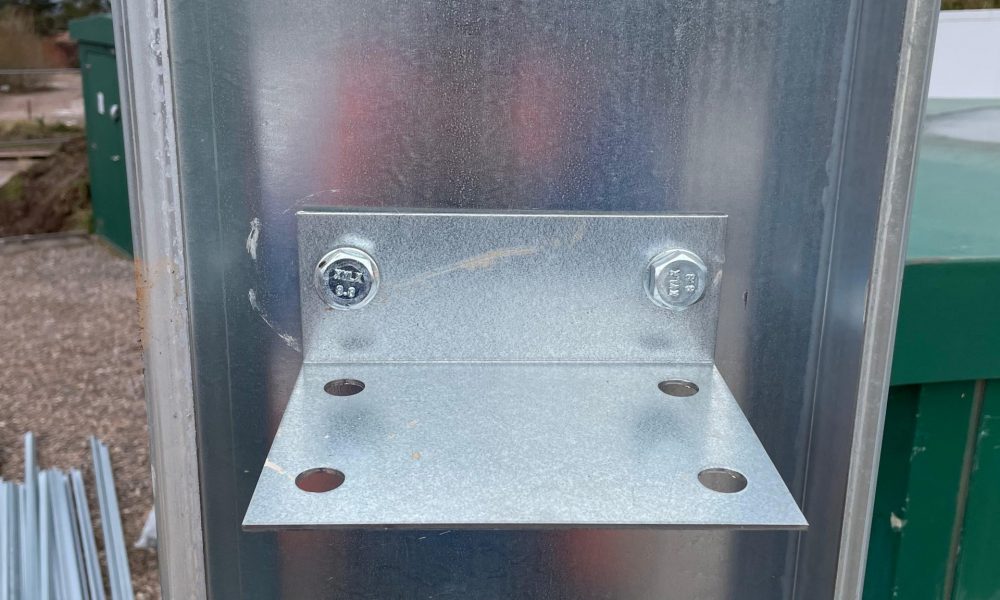
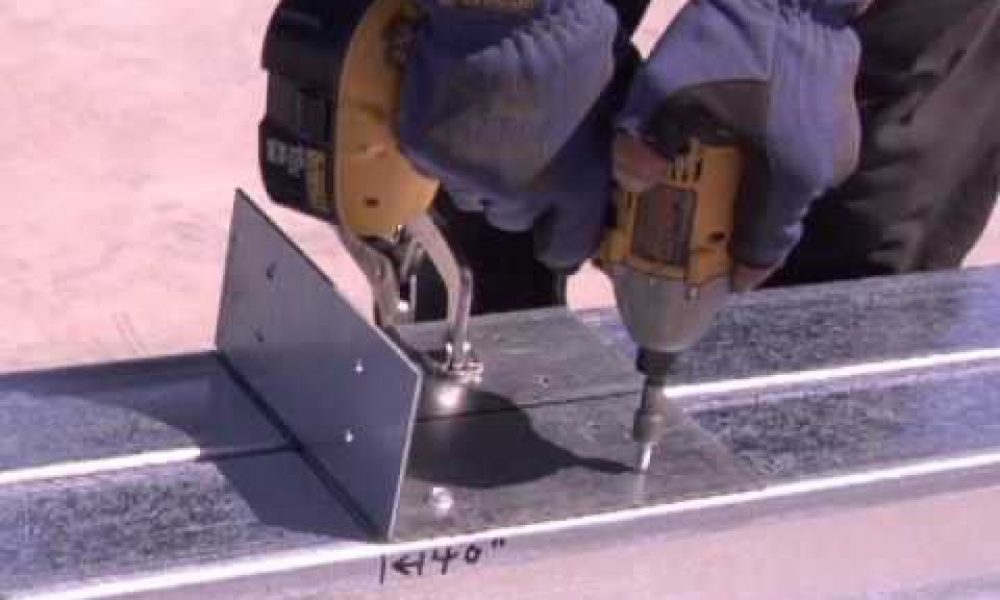
Pre-punched cleats (steel plates) are bolted to pre-punched uprights — factory precision and high strength.
Tophat Style Buildings
On-site drilled cleats and on-site drilled uprights, fixed with 5 mm Tek screws. More variation, less precision, less strength, higher maintenance risk.
Base Cleat Detail
C Section & Purlin style buildings
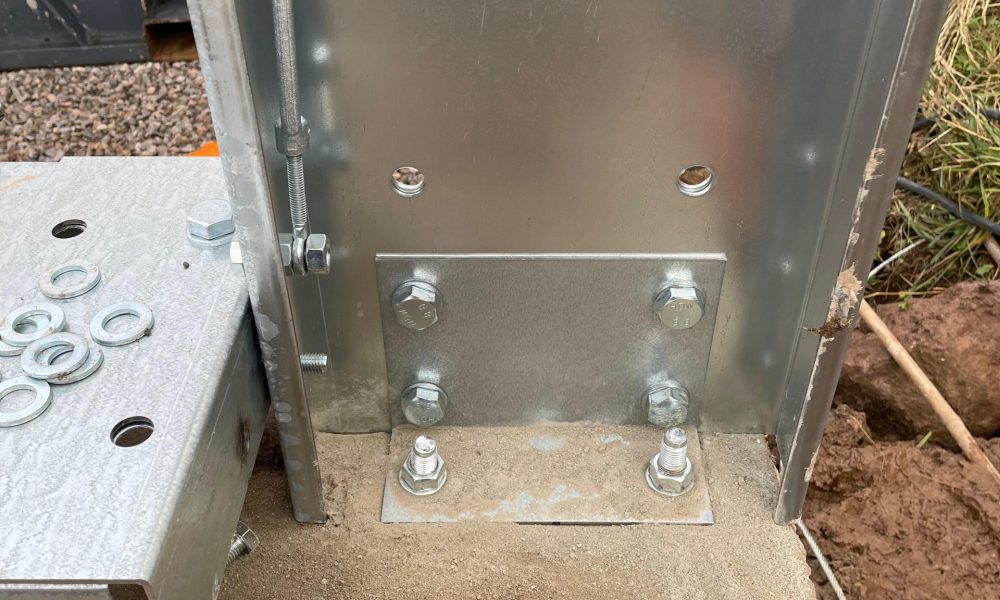
Again, base cleats are pre-punched and bolted to the uprights and foundation plate – ensures vertical load path, accuracy, and long-term stability.
Tophat Style Buildings
On-site drilled, fixed with screws. Less accurate, less repeatable, and less reliable over time in industrial or heavy use settings.
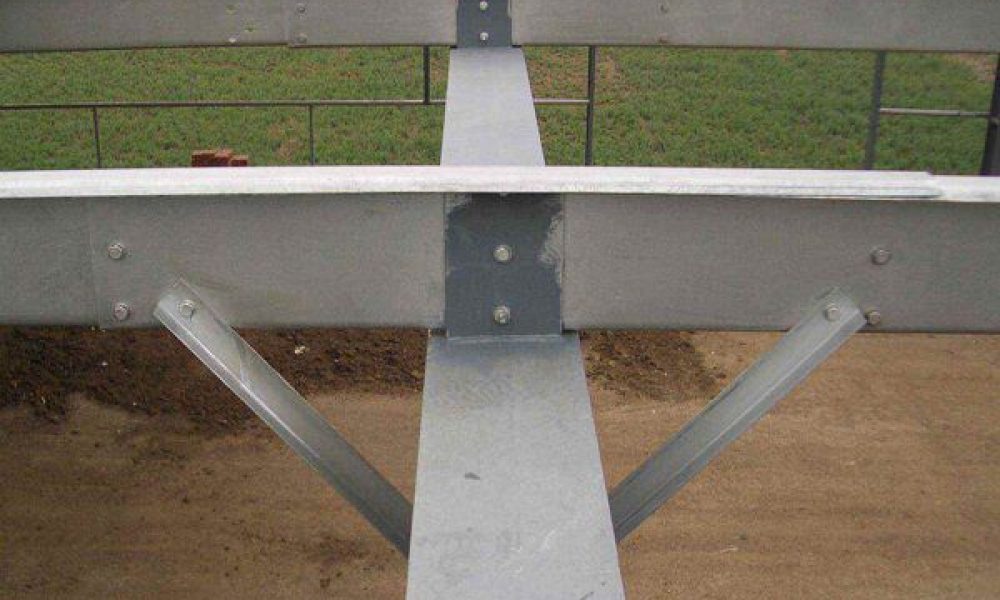
Purlin Stays
C Section & Purlin style buildings
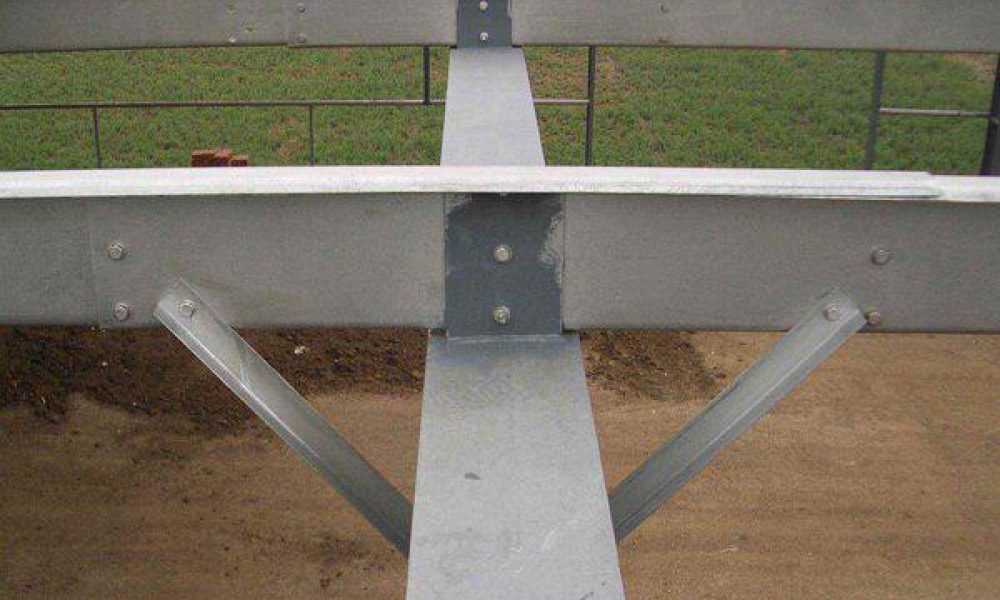
We provide pre-designed purlin-stay system (bracing between purlins) bolted into the frame, increasing stiffness and reducing deflection.
Tophat Style Buildings
On-site drilled stays or minimal bracing, fixed with Tek screws. The bracing system is weaker, meaning more flex, noise, movement and possible future issues.
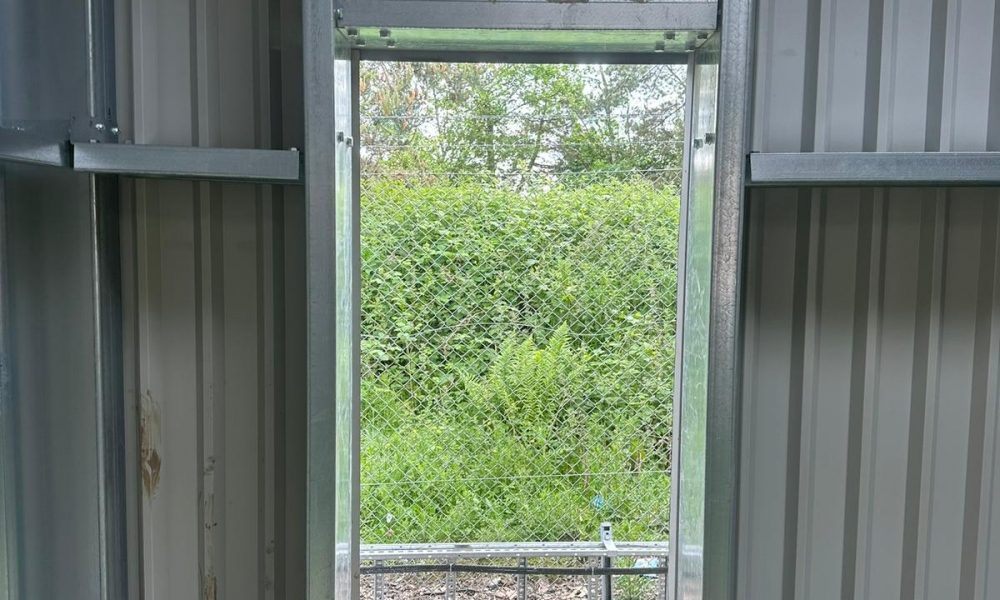
Door Detail
C Section & Purlin style buildings
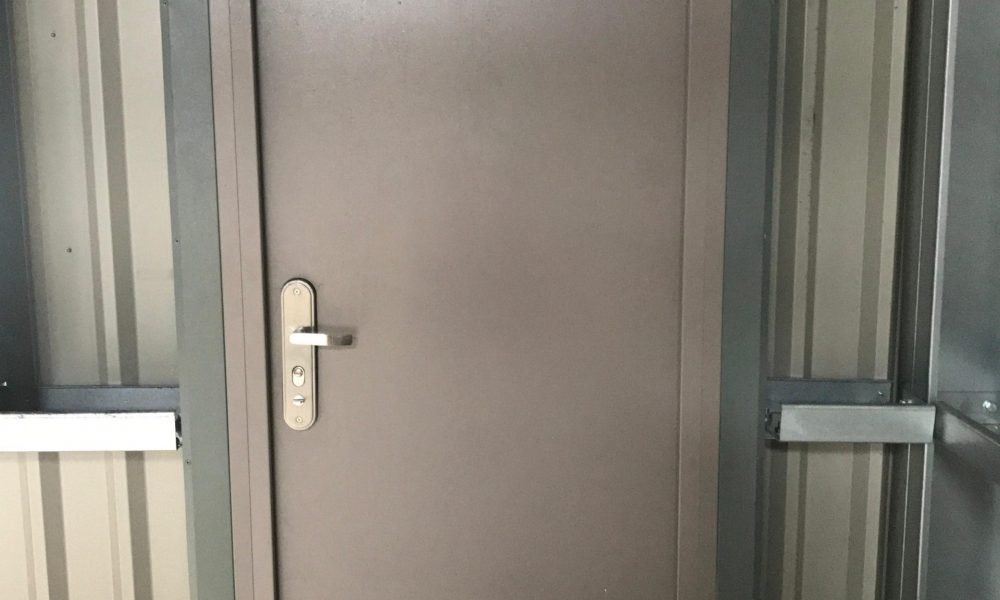
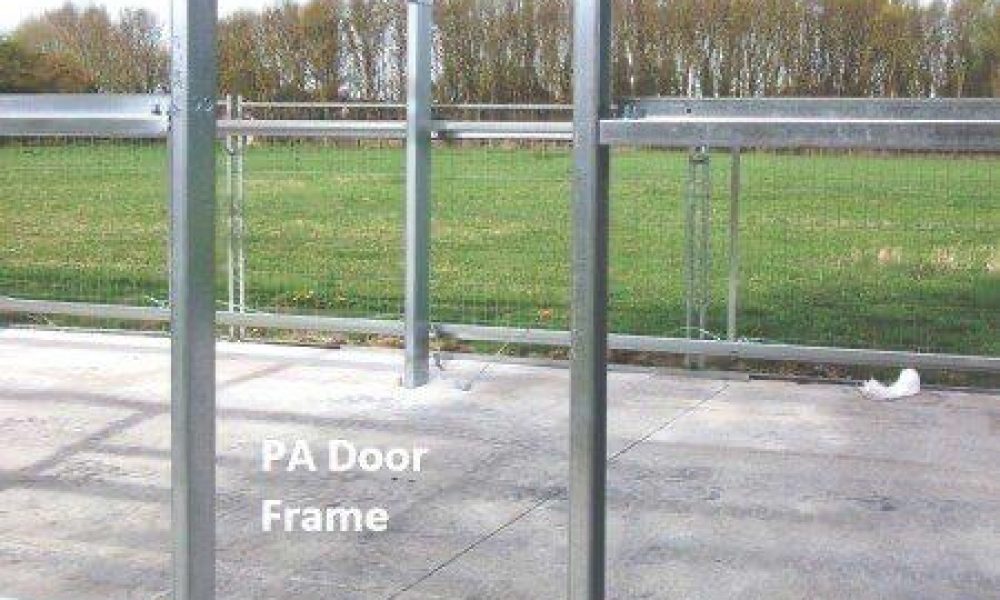
Doors (roller shutter, personnel access) are built into the structural frame so the opening, frame and load path remain consistent and strong.
Tophat Style Buildings
Door openings may be framed into thin folded systems or fixed to non-structural supports. Less strength, more risk of mis-alignment, movement or leaks over time.
Bracing System
C Section & Purlin style buildings
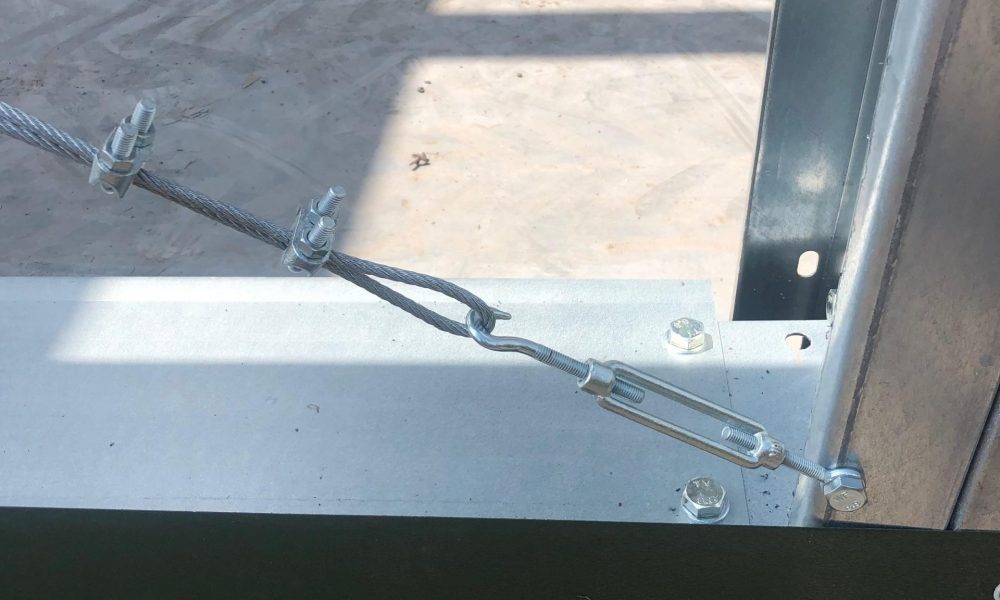
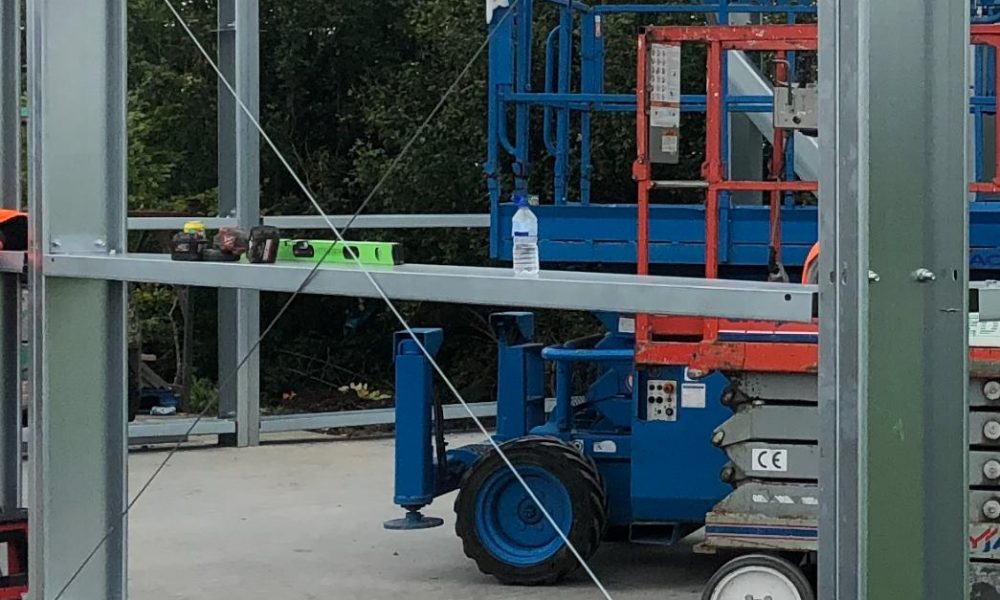
We incorporate full structural bracing (cross-braces, portal ties, etc) properly connected to the frame, to resist wind, torsion, uplift and long-term movement.
Tophat Style Buildings
Bracing is minimal or relies on internal sheet fixings and overlaps rather than proper structural members. This means less durability, more risk of frame twisting or sagging.
Cladding Buildup
C Section & Purlin style buildings
Bracing is minimal or relies on internal sheet fixings and overlaps rather than proper structural members. This means less durability, more risk of frame twisting or sagging.
Tophat Style Buildings
Cladding is part of the structural behaviour — the frame relies on the sheets for stiffness, so any defect, damage or movement in the sheets affects the whole building’s integrity.
Sway and Stability
InClad C-Section Frames
Our frames use structural C-sections for both columns and rafters, connected using heavy-duty cleats bolted inline with the rafter and column. This creates a rigid, moment-resisting joint, meaning the frame resists sway by design. No sway brackets or diagonal bracing are required because the stability is built directly into the steel frame itself.
Tophat Style Buildings
Tophat frames use lighter, open sections that are not stiff enough to resist sideways movement on their own. Because of this, sway brackets, knee braces and diagonal straps are required to control movement under wind load. Stability is added after the frame is built and often relies on extra components and cladding fixings to hold everything together.
In simple terms:
Tophat frames need extra bracing to stop them moving.
Our C-section frames don’t — they’re engineered to be stable from the start.
Load Capacity
C Section & Pearlin style buildings
* Full-depth cold-rolled C-sections for uprights and rafters, bolted cleats and haunch plates; creates a true portal frame transferring loads through the structure. * Each bay is designed for its own loads (snow, wind, live loads). * Typical roof load capacity: 0.6–1.0 kN/m². Wind pressure up to ±1.2 kN/m² (depending on span & location). * Engineer-certified to BS EN 1993 (Eurocode 3) and suitable for Building Control. * Capable of supporting solar panels, rooflights, ceiling liners, mezzanines, etc without extra reinforcement. * Spans of 12–18 m wide and heights up to 7 m achievable without internal supports.
Tophat Style Buildings
* Typical roof load capacity: around 0.25–0.35 kN/m² – only for light domestic use. * No true moment connections; frame relies on cladding for stability. * Max spans limited to 4–6 m before deflection becomes a problem. * Usually thin gauge steel (1–1.2 mm) which deforms easily. * Usually no certified structural calculations, so Building Control sign-off and insurance cover could be impossible.
Compliance
Compliance
C-Section & Purlin style buildings
Engineered, certified design. We supply structural drawings, load calculations, full compliance with UK Building Regulations (Part A – Structure, Part B – Fire) so you get proper approval, insurance cover and long-term peace of mind.
Top-Hat style buildings
Usually non-structural kits, no formal calculation, reliance on cladding for stability, limited fire or durability rating. Often fails Building Regulations.
Durability
C Section & Purlin style buildings
* Heavy-duty galvanised steel sections (1.6-2.5 mm typical gauge) giving strong resistance to deformation. * Bolted cleat/haunch connections, factory-prepared for accuracy and strength — no reliance on thin overlapped sheet fixings. * Excellent corrosion protection (hot dip galvanised or heavy zinc coating) designed for long life even in harsh environments. * Ideal for permanent commercial or industrial use where longevity, minimal maintenance and structural integrity matter.
Tophat Style Buildings
* Light-gauge folded steel (often under 1.2 mm), less structural stiffness, more flex under load. * Screw-fixed or spot-weld connections — less durable, more prone to loosening or corrosion under vibration, load or movement. * Minimal corrosion protection, limited lifespan. These are typically designed for light domestic, temporary or agricultural use, not heavy duty industrial.
Join the Inclad Trade Network
If you're a builder or contractor ready to take the next step, we'd love to hear from you.
Call our team today or fill in the form below to apply for a trade account.