A Clear Comparison of Build Quality, Strength and Value
C Section vs Tophat
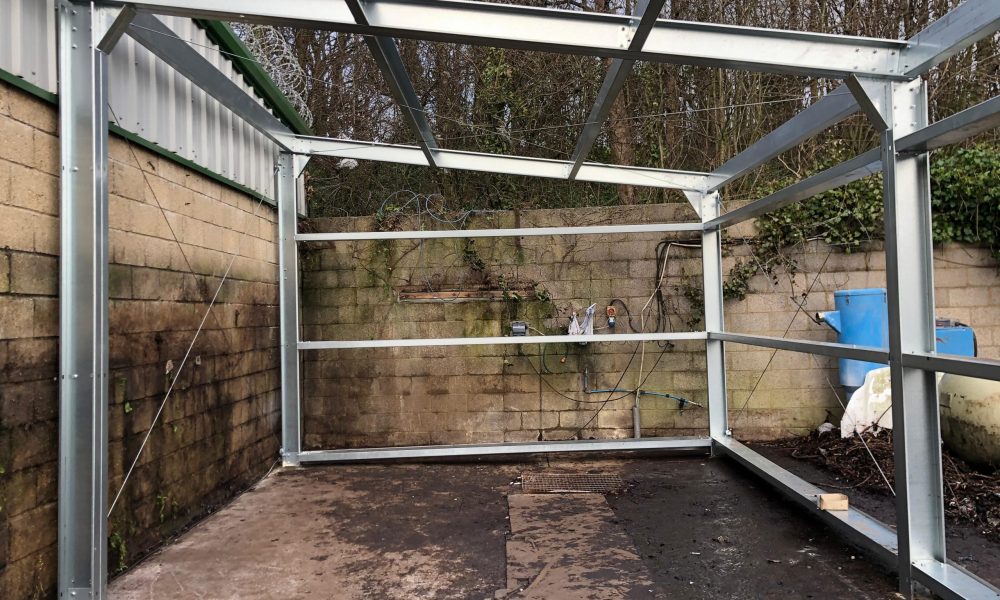
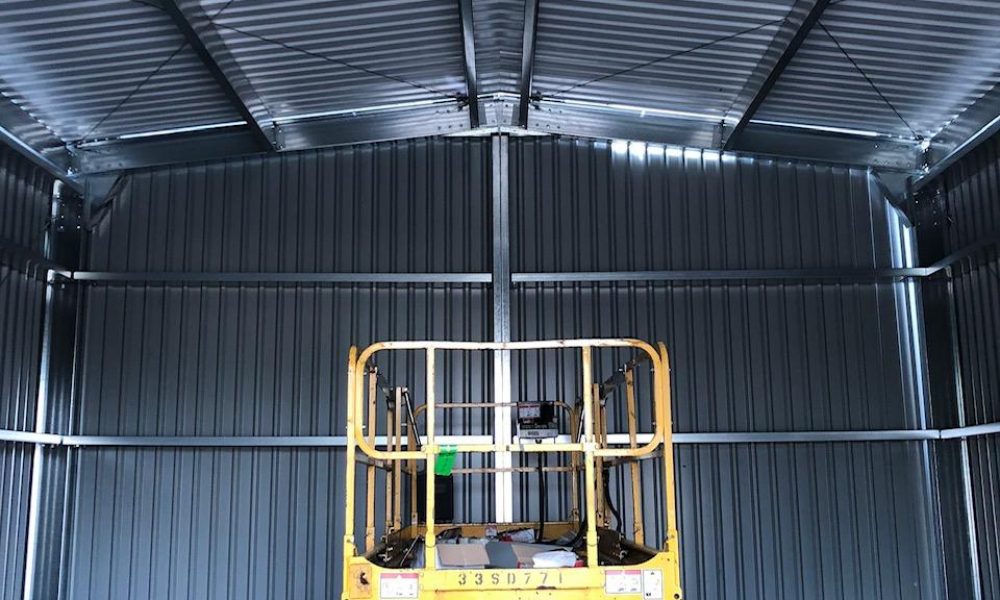
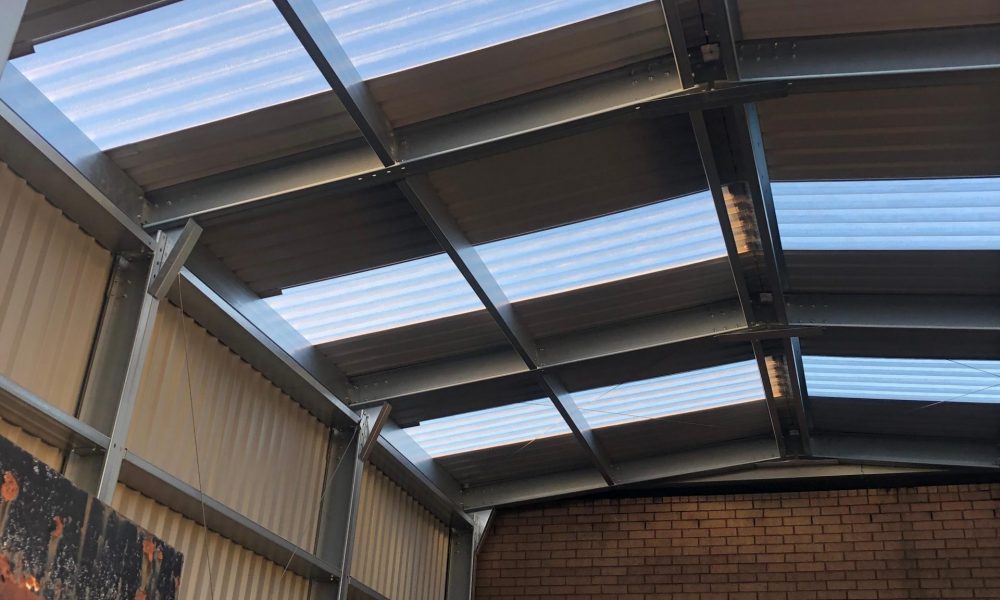
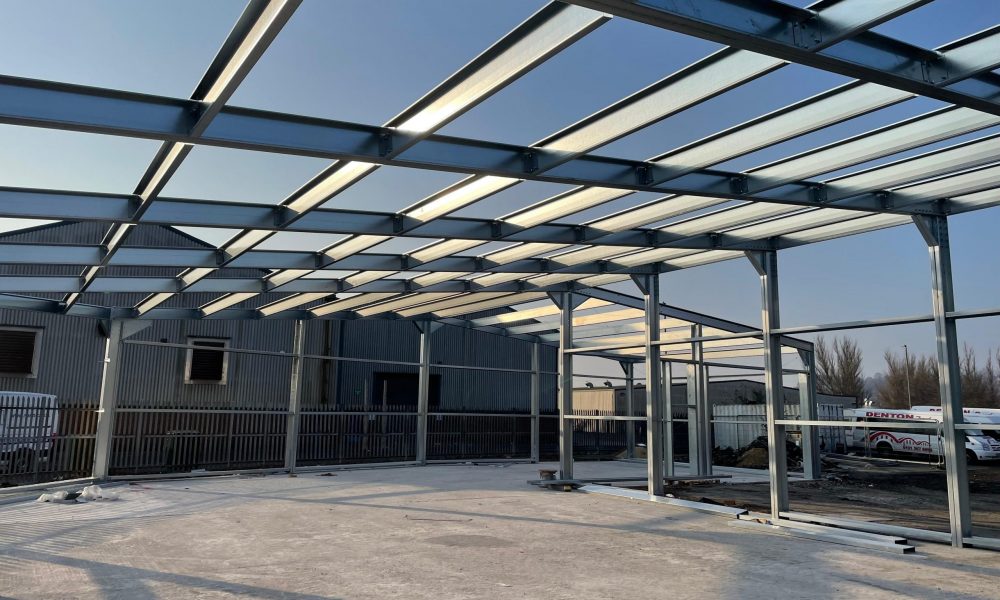
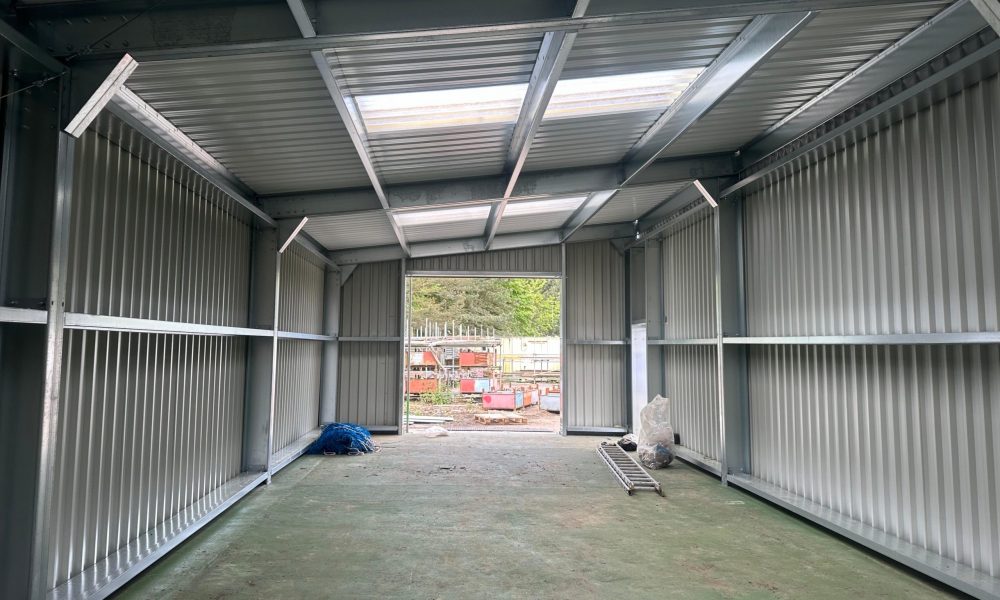
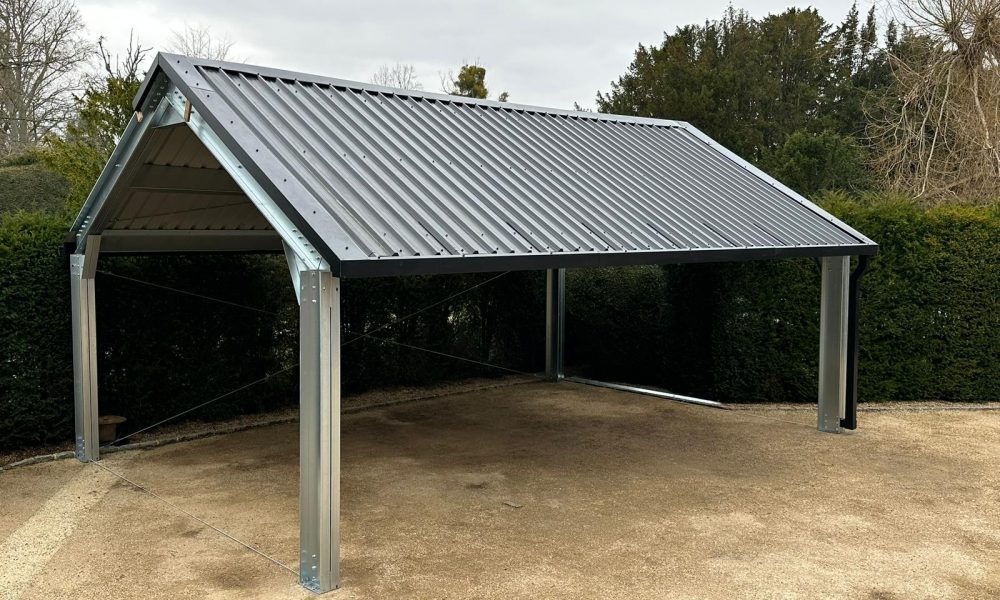
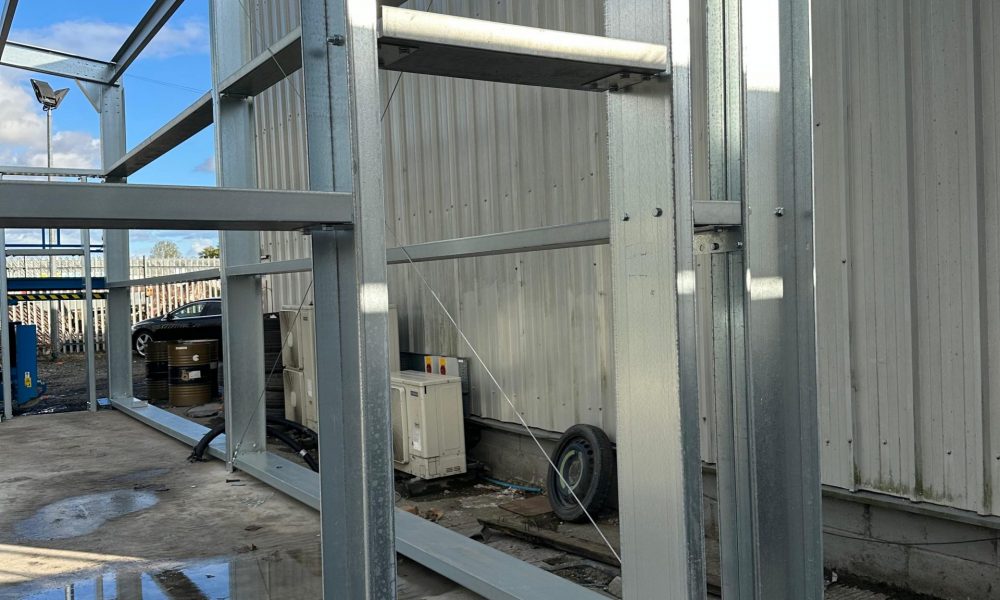
InClad Steel Buildings are designed differently to typical “top-hat” steel buildings. While both systems can meet building regulations, the way they achieve strength and stability is very different.
C Section & Purlin style buildings
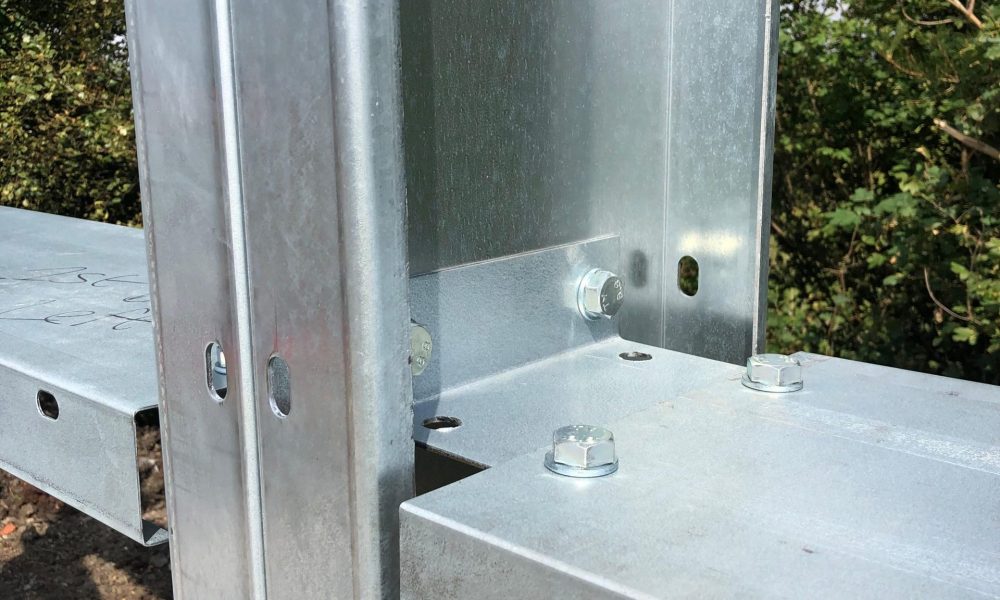
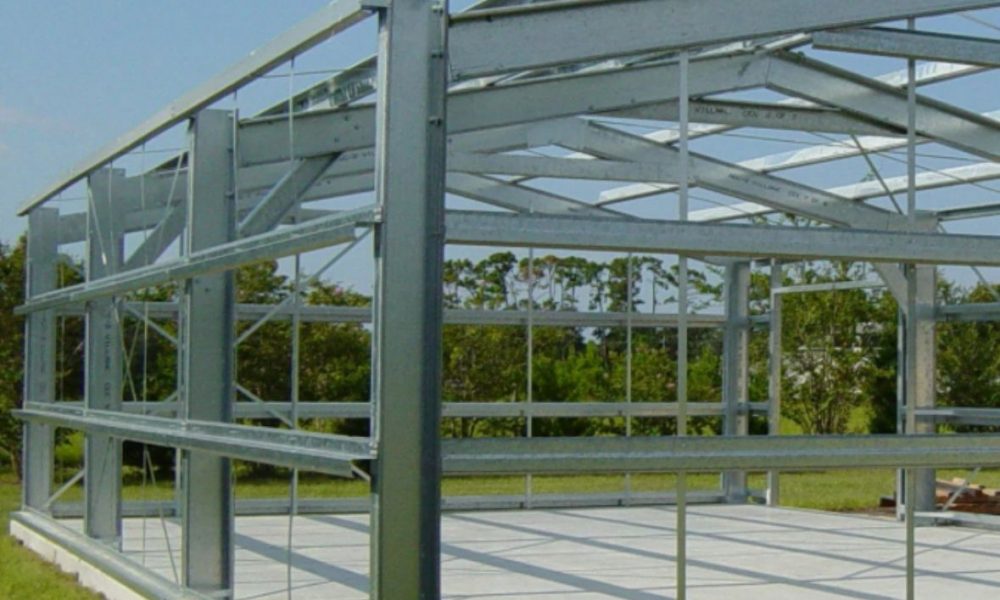
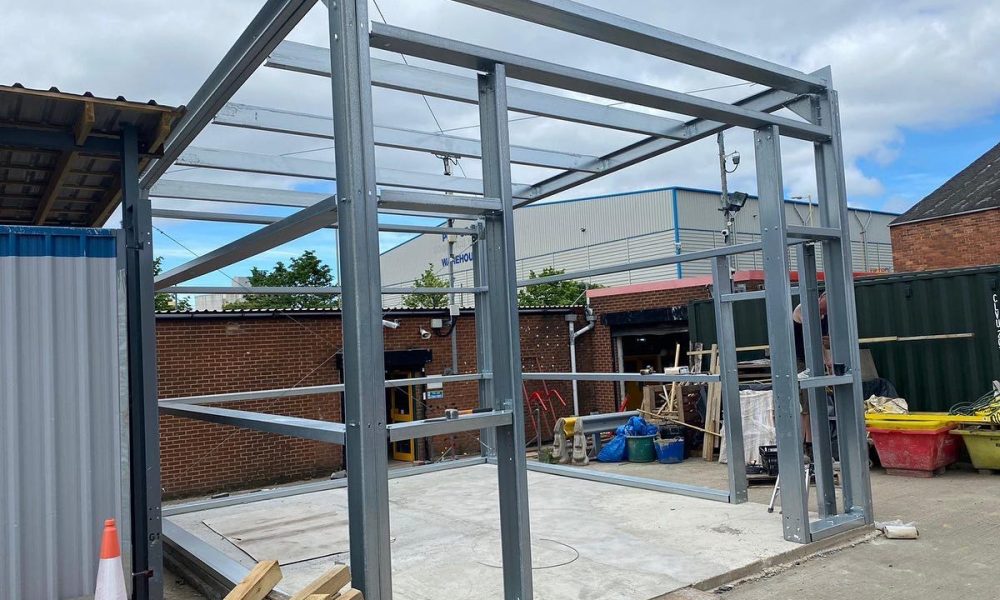
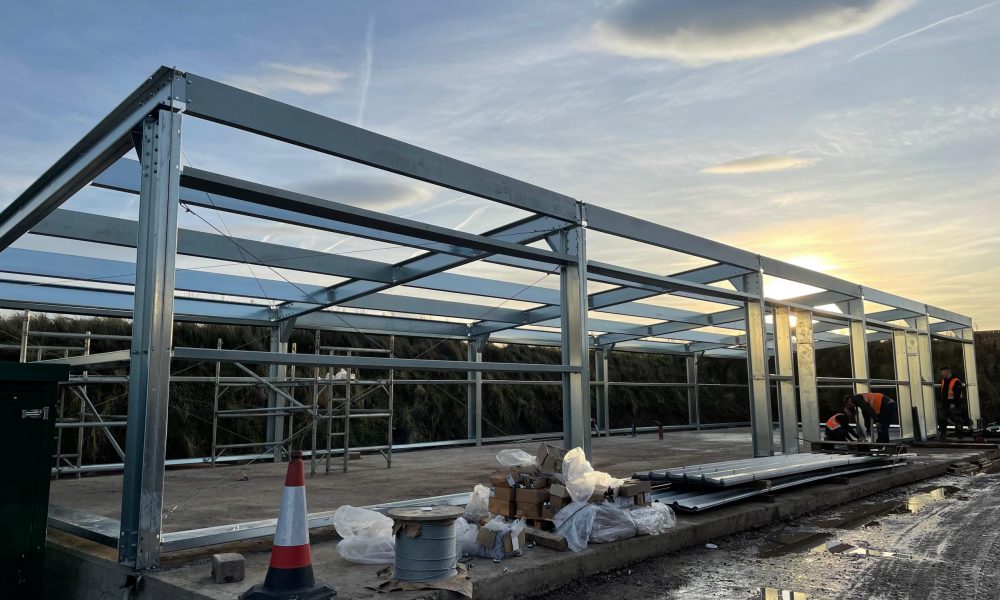
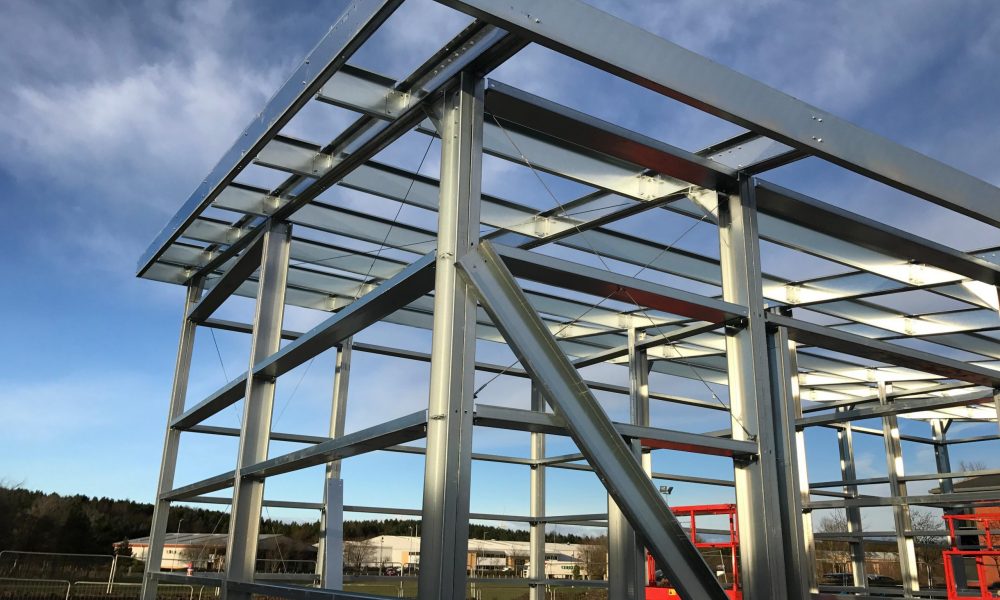
Precision-cut cold-rolled C-section frames with engineered bolted haunch, cleat and connection details.
Manufactured in-house
Greater structural rigidity
Designed for long-term durability
Tophat Style Buildings
Bolted frame system
Components sourced from multiple suppliers
More movement under load
Lower long-term durability
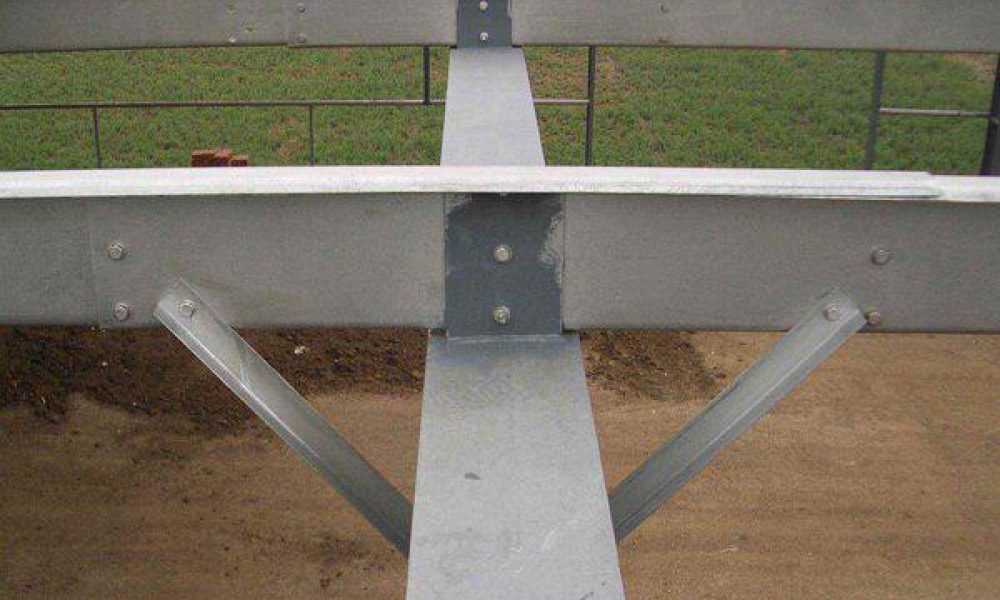
Purlin System
C Section & Purlin style buildings
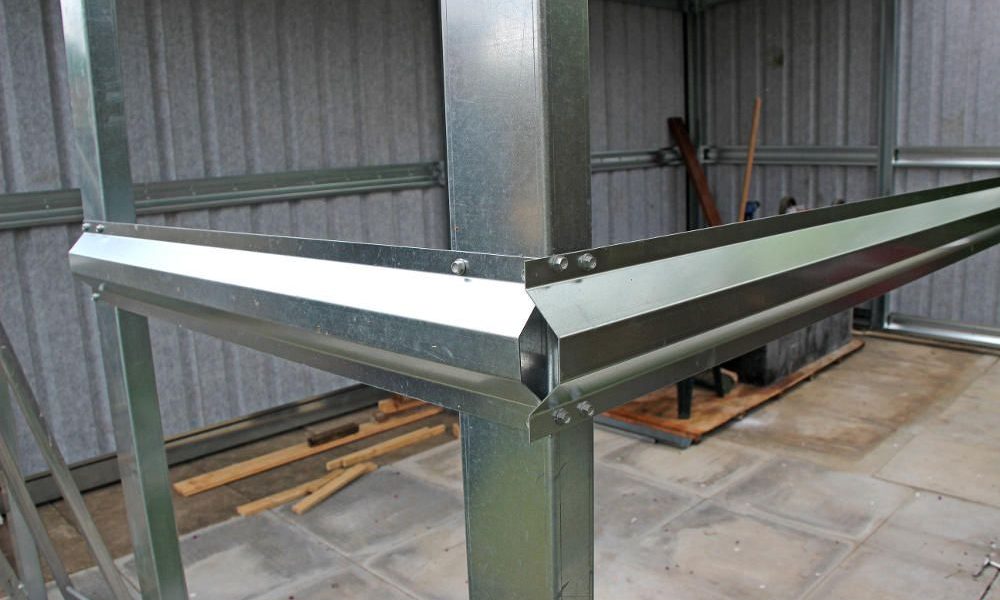
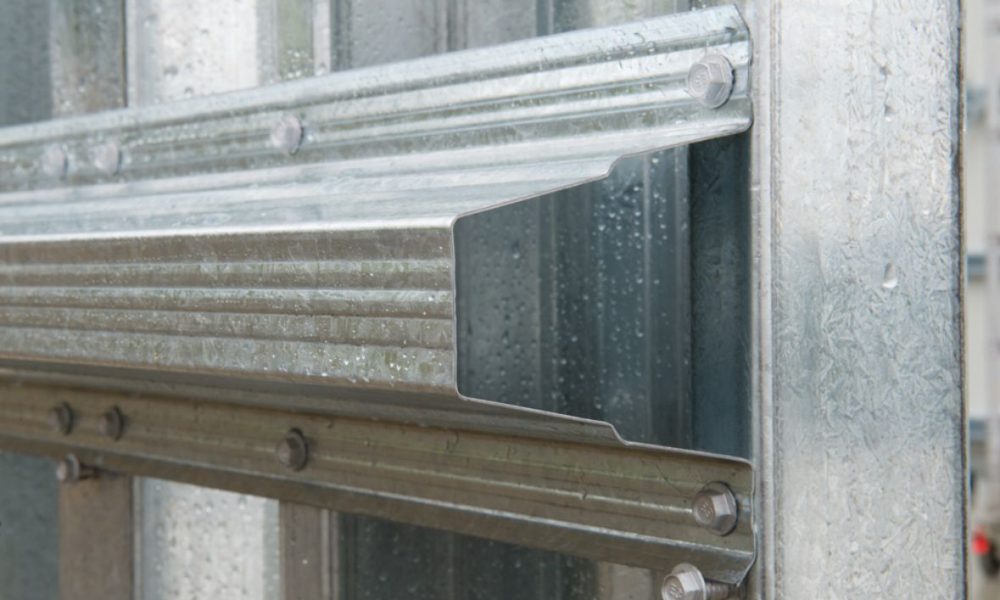
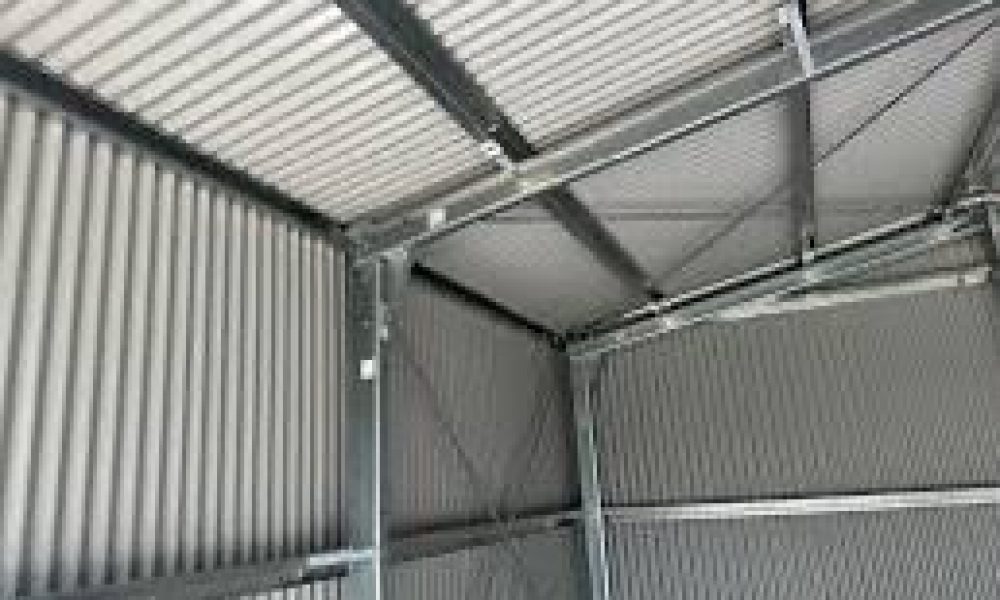
Purlins sit directly on C-section rafters
Connected using engineered brackets or cleats
Creates a rigid and stable roof structure
Reduces movement across the roof system
Tophat Style Buildings
Purlins form part of a thin folded section system
Fixed using screws and overlapping sections
Less structural rigidity across the roof
Increased risk of movement and noise over time
Uprights and Rafters
C Section & Purlin style buildings
Heavier gauge steel sections
Engineered for higher load capacity
Greater resistance to deflection
Designed for long-term performance
Tophat Style Buildings
Lighter gauge steel sections
Lower load capacity
Increased flex under pressure
Designed to meet minimum requirements
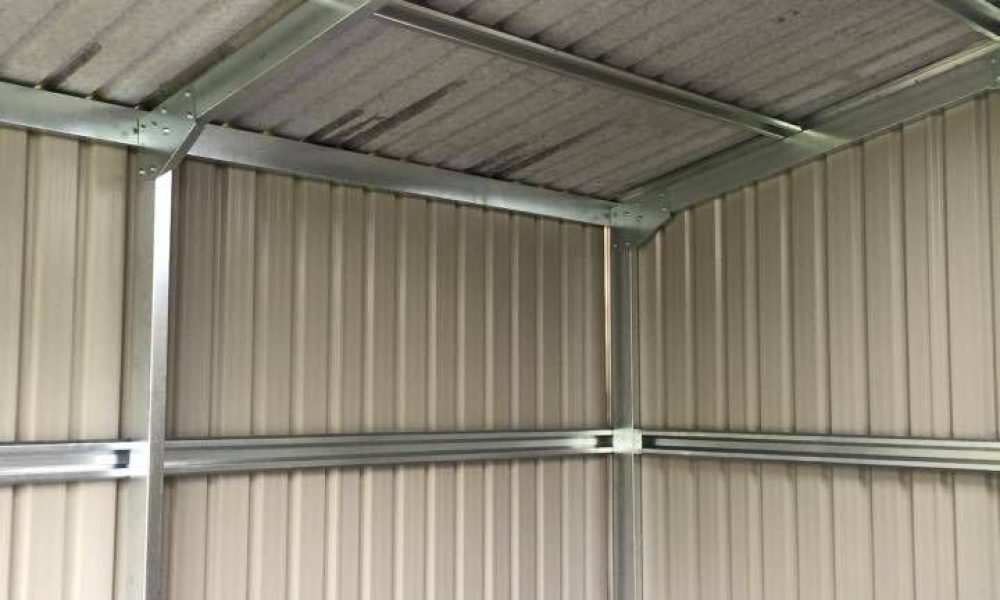
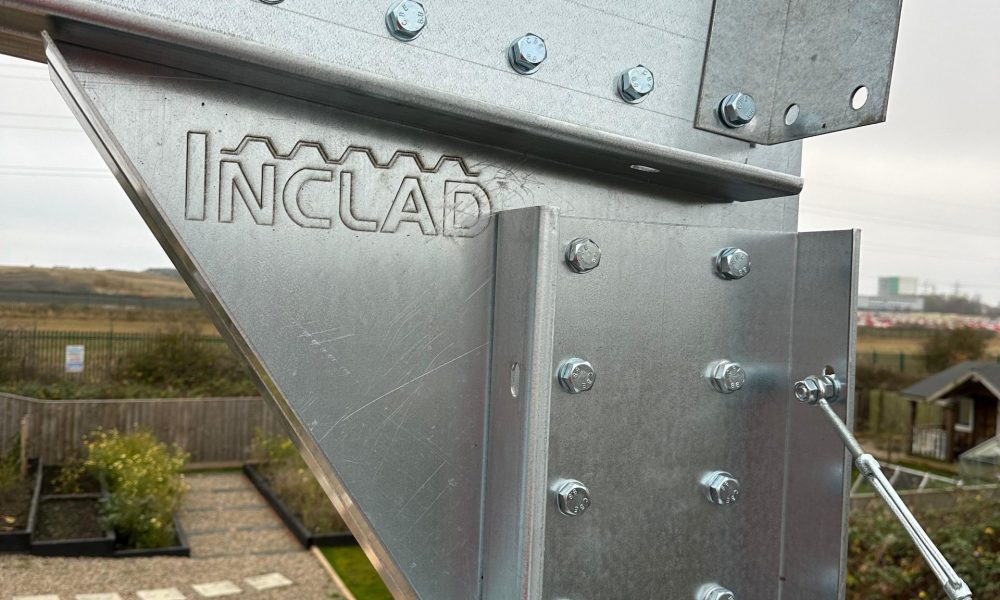
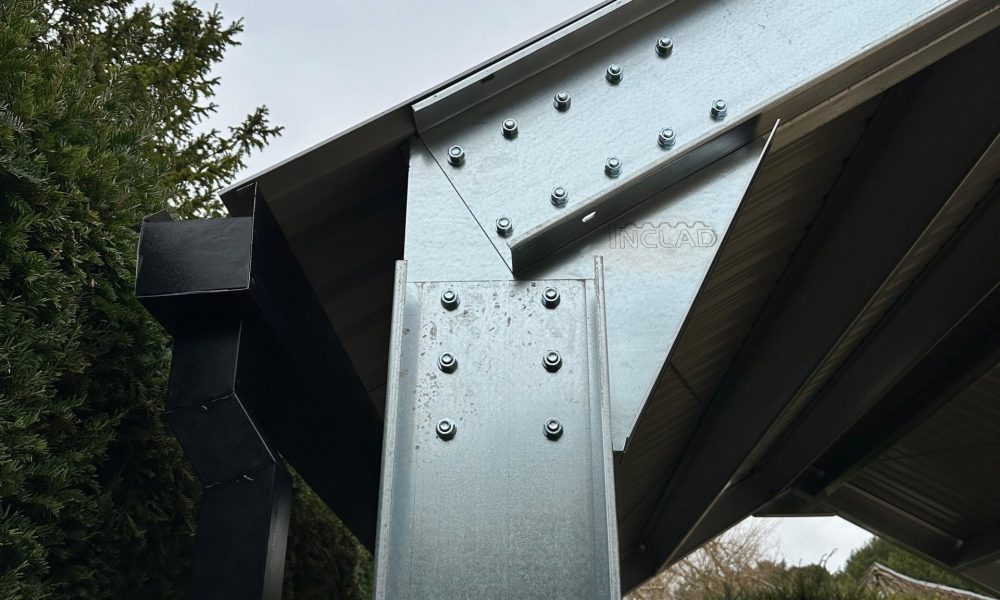
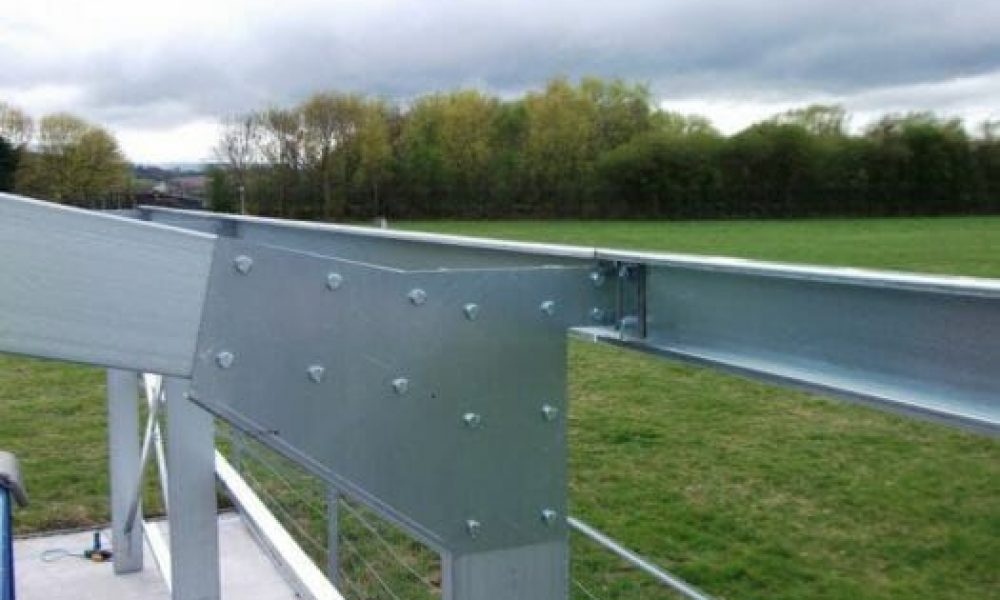
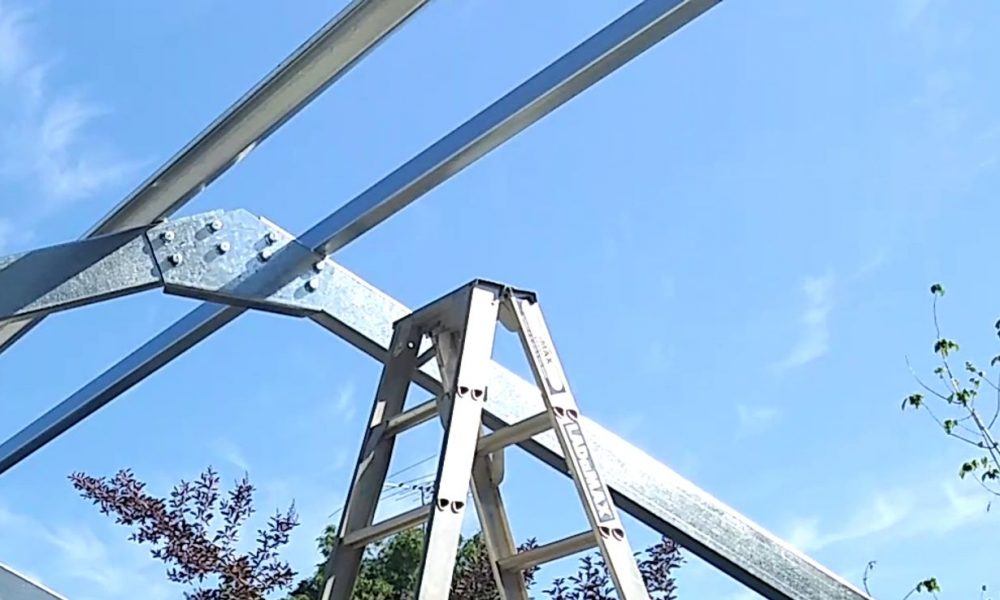
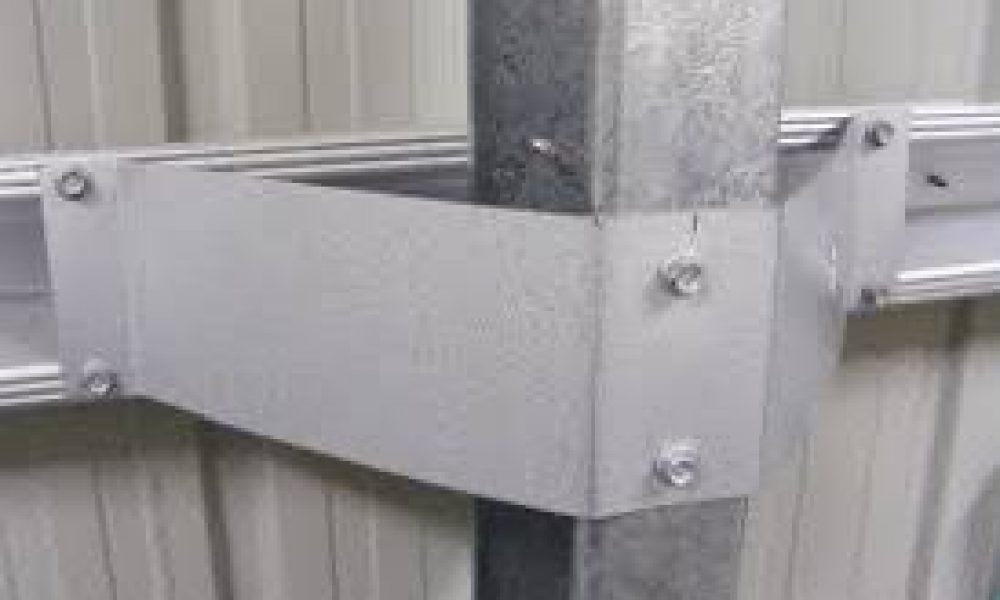
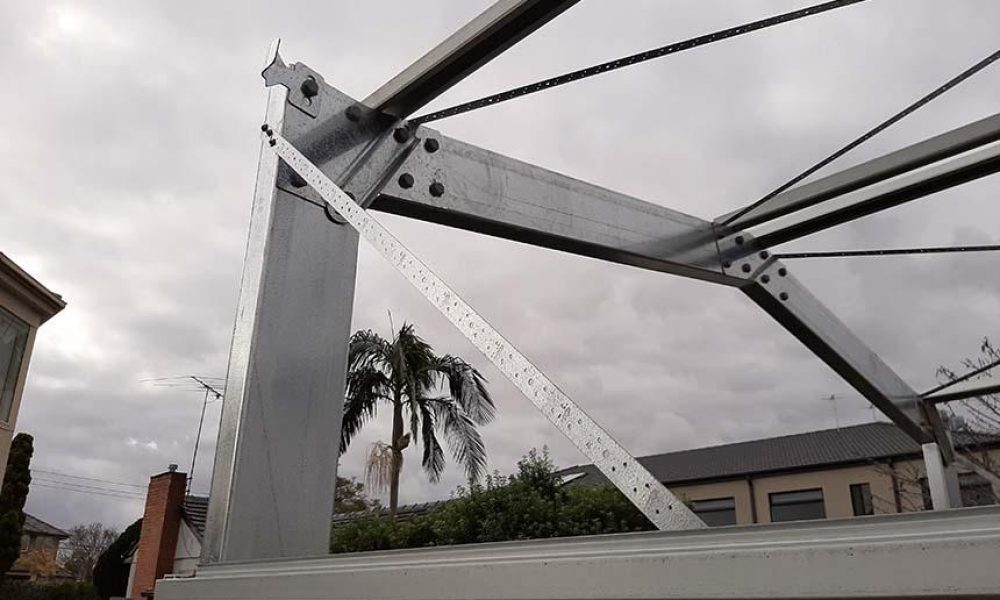
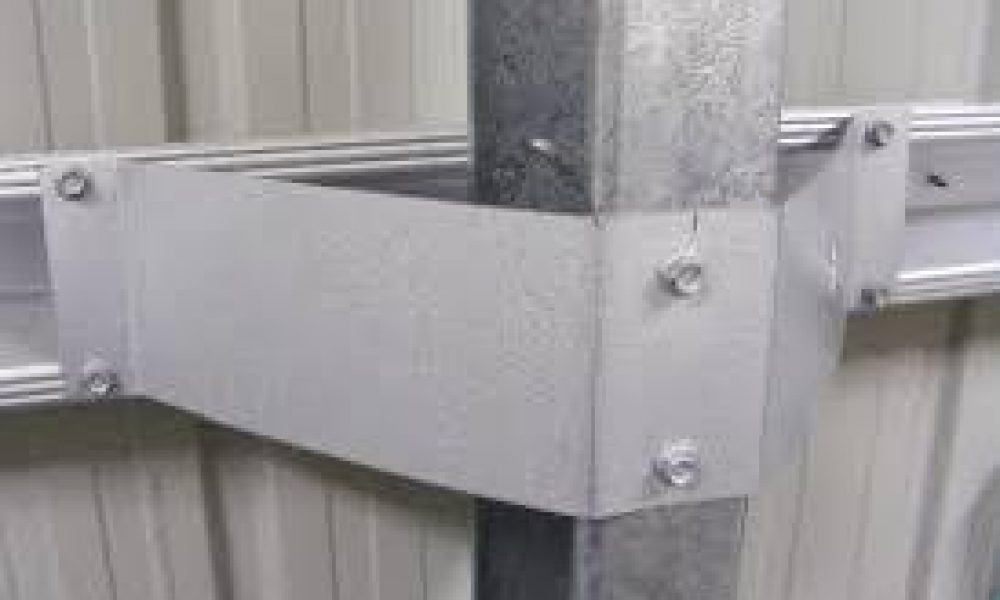
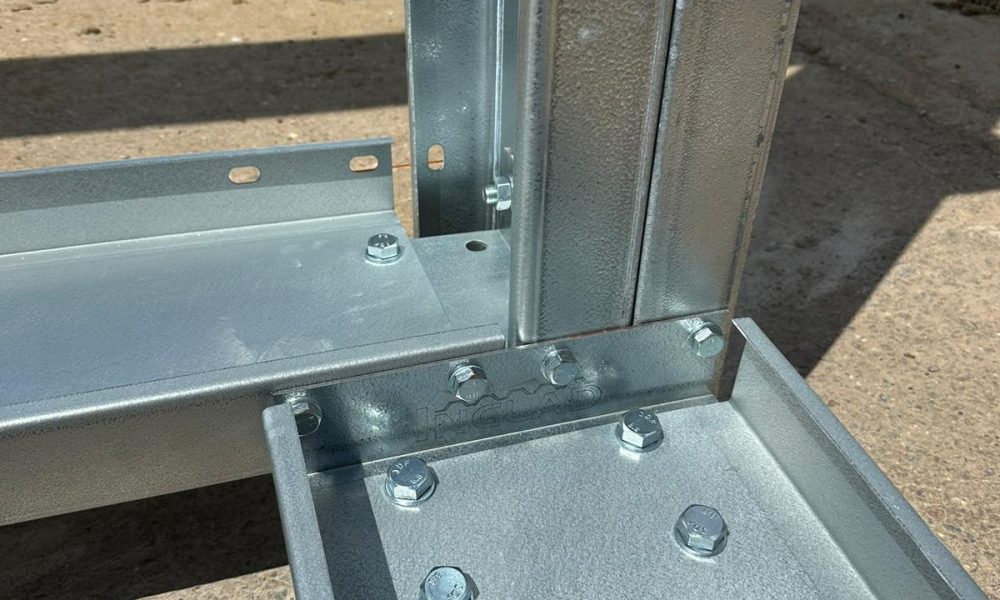
Eaves Haunch Connections
C Section & Purlin style buildings
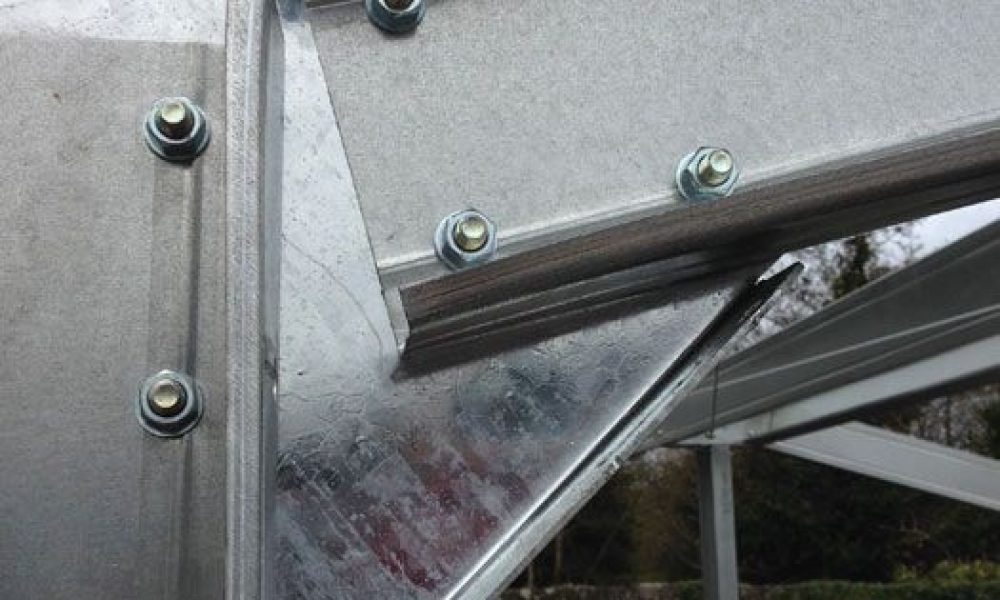
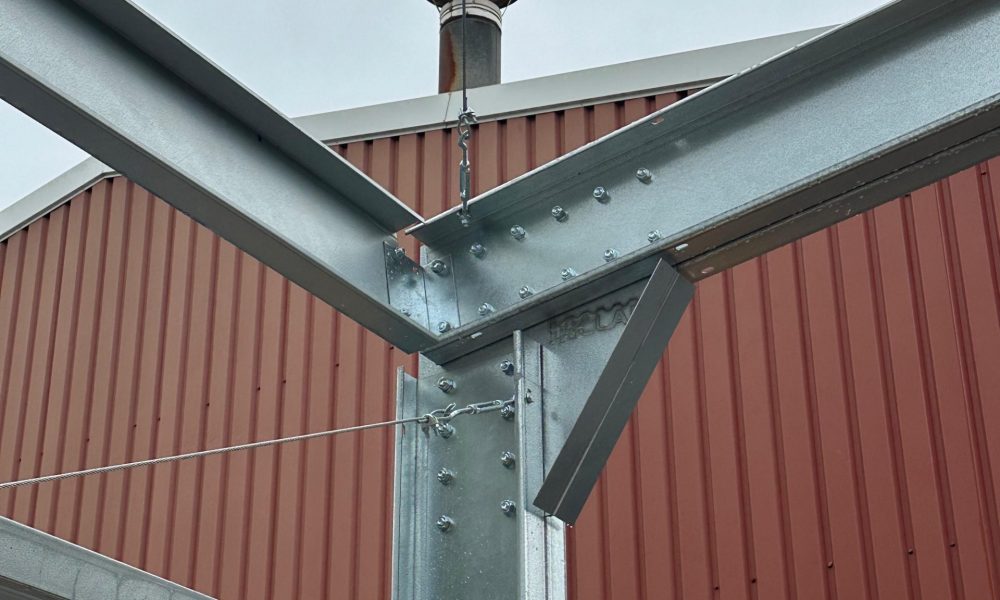
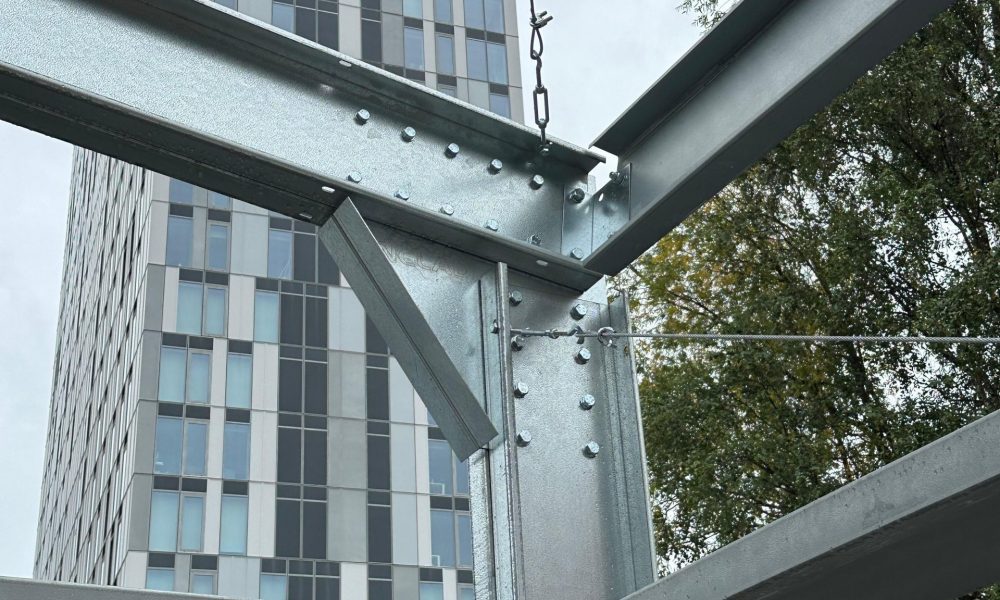
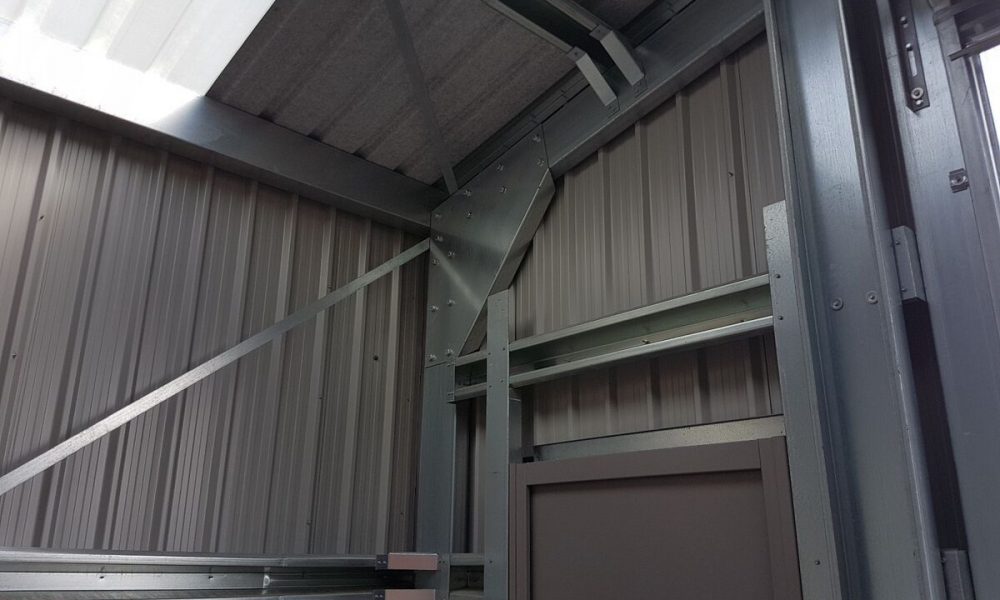
Reinforced haunch design
Stronger connection between column and rafter
Improved load transfer at critical stress points
Increased structural stability
Tophat Style Buildings
Simpler connection detail
Less reinforcement at key junctions
Reduced load transfer efficiency
Higher stress concentration in key areas
Why this matters:
A stronger knee connection improves overall frame stiffness, reduces long-term fatigue, and helps doors and openings stay better aligned over time.
Eaves System
C Section & Purlin style buildings
Fully integrated eaves system
Improved weather protection
Cleaner, more robust finish
Designed for durability and longevity
Tophat Style Buildings
Basic eaves construction
Less effective weather sealing
Simpler detailing
Reduced long-term durability
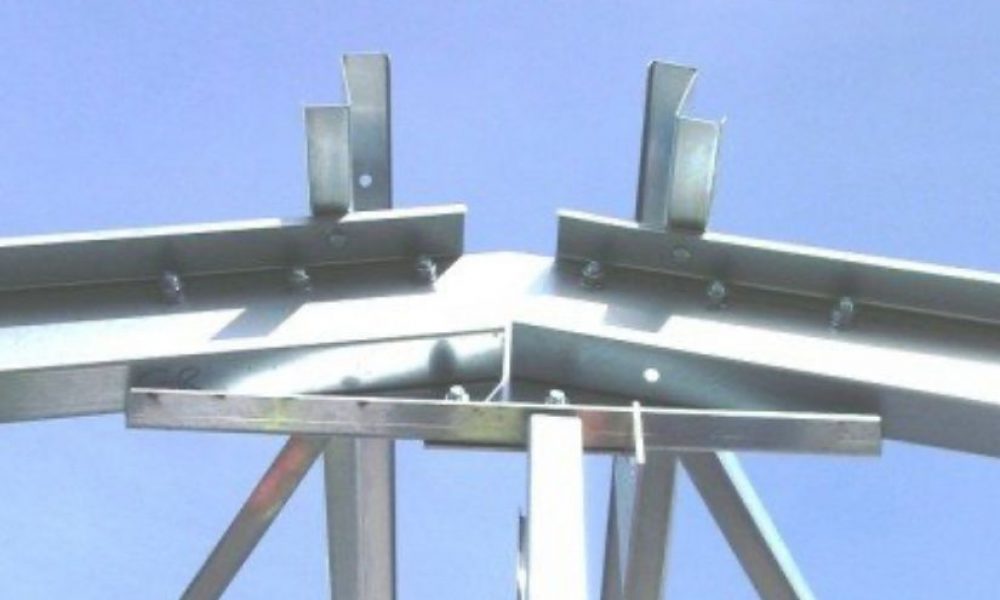
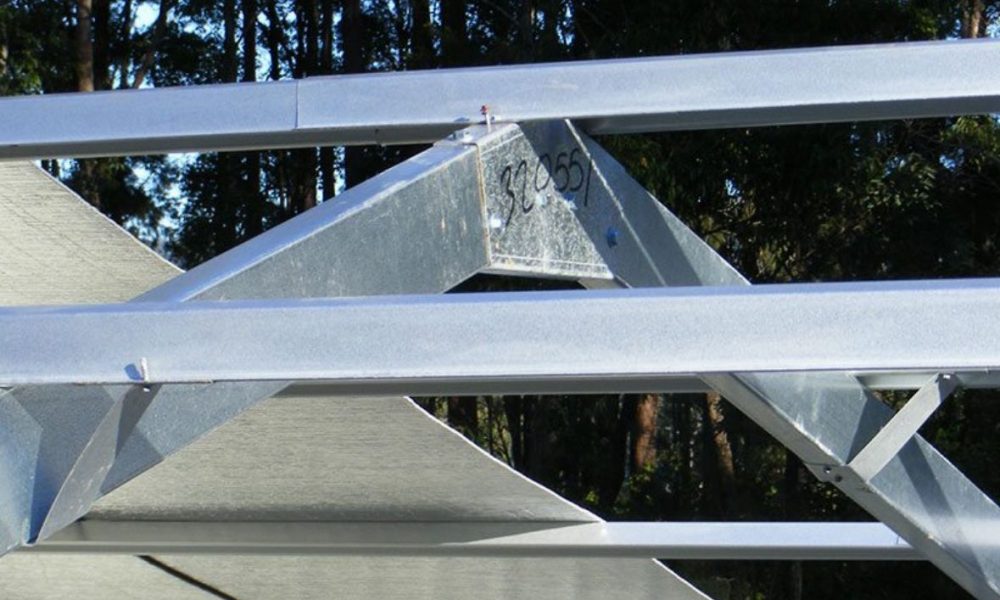
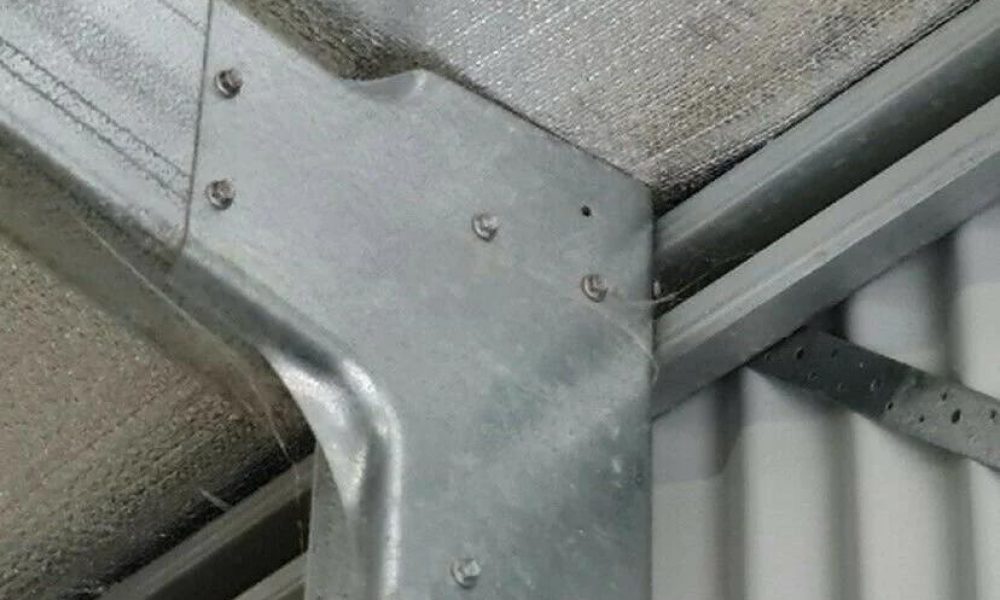
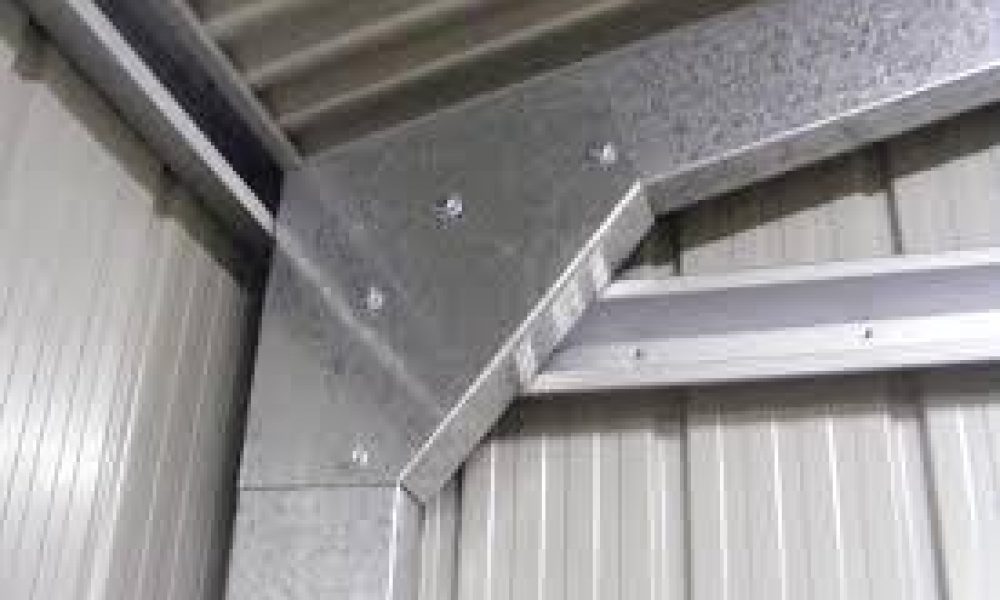
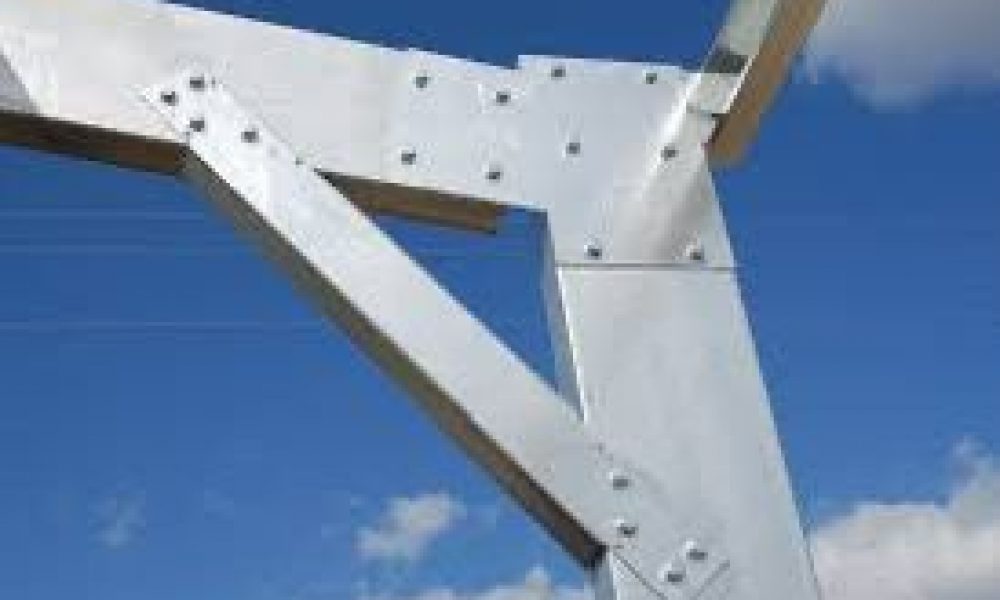
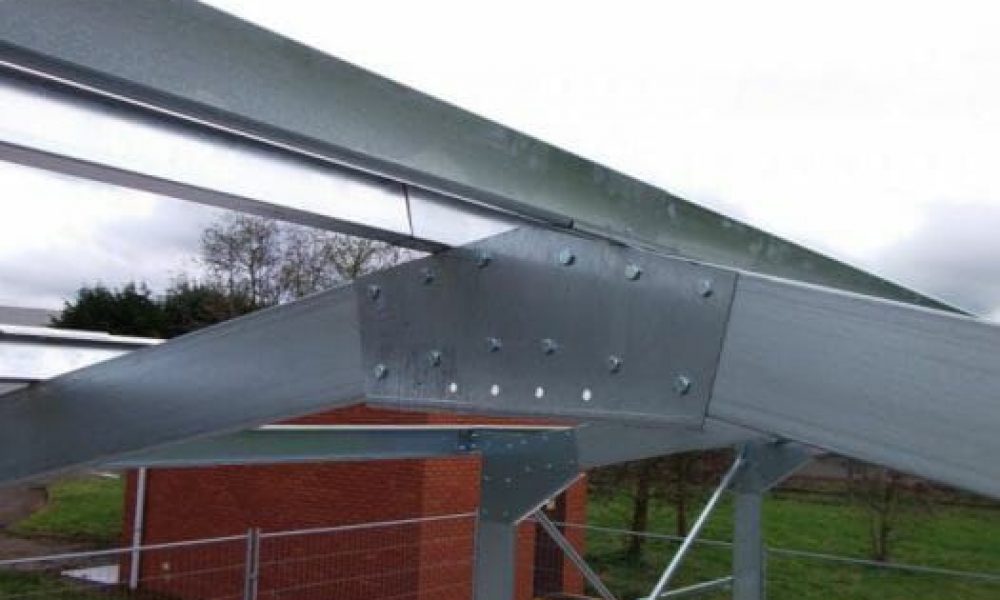
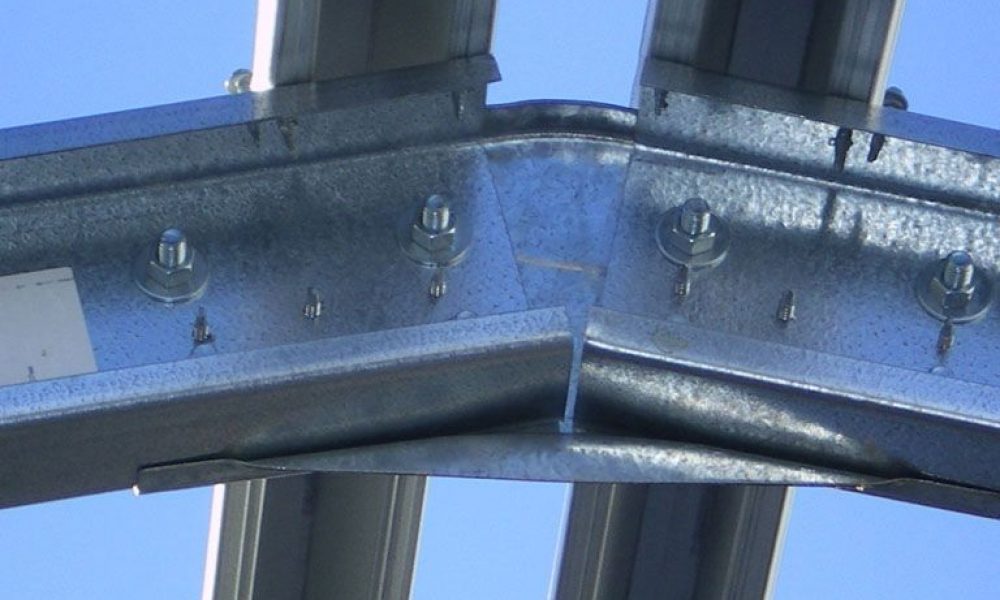
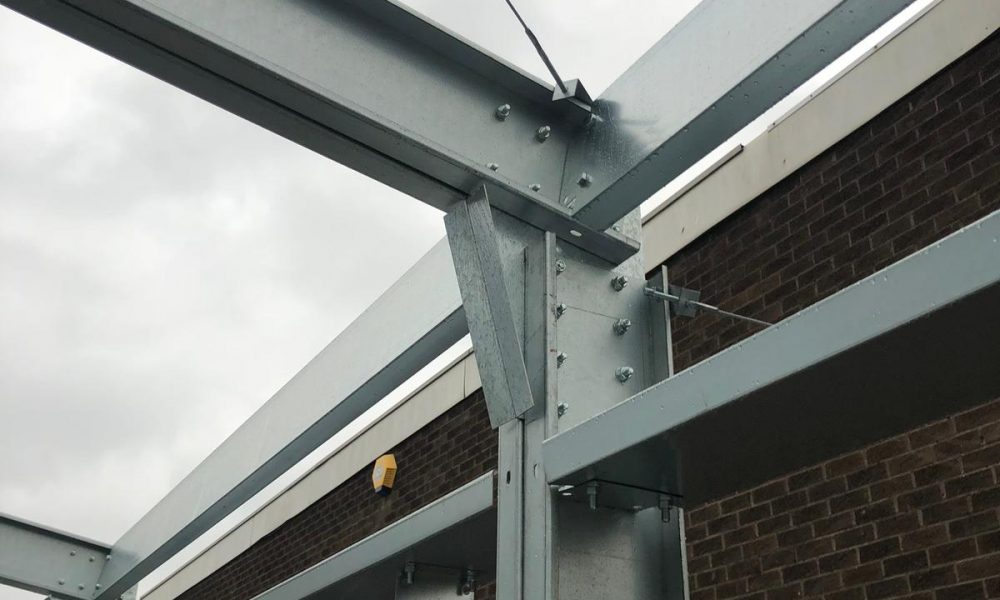
Ridge Haunch Connections
C Section & Purlin style buildings
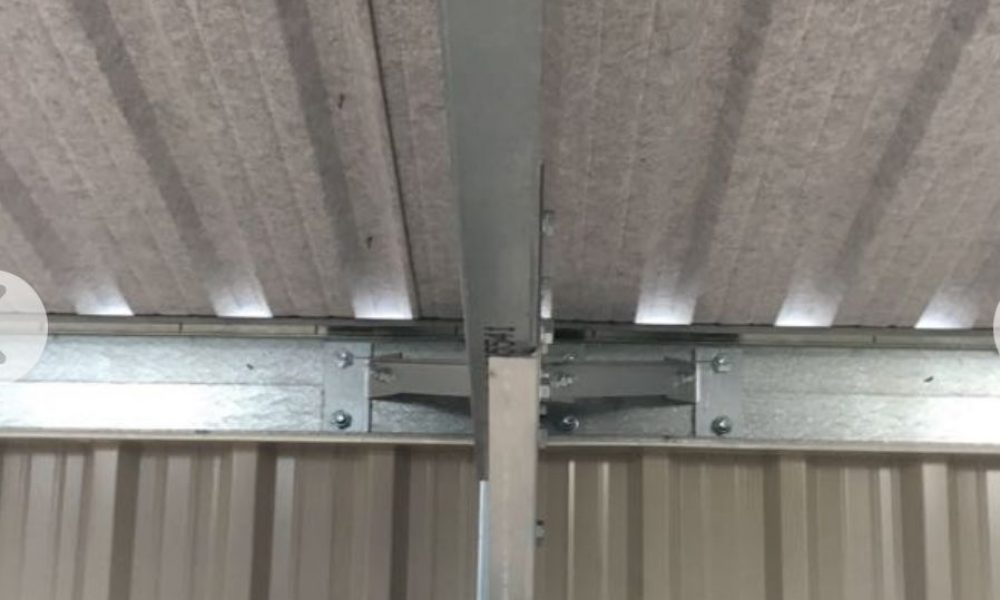
Reinforced ridge connection
Stronger structural continuity
Improved load distribution across roof span
Increased resistance to movement
Tophat Style Buildings
Basic ridge connection
Less reinforcement at apex
Reduced load distribution efficiency
Greater potential for movement
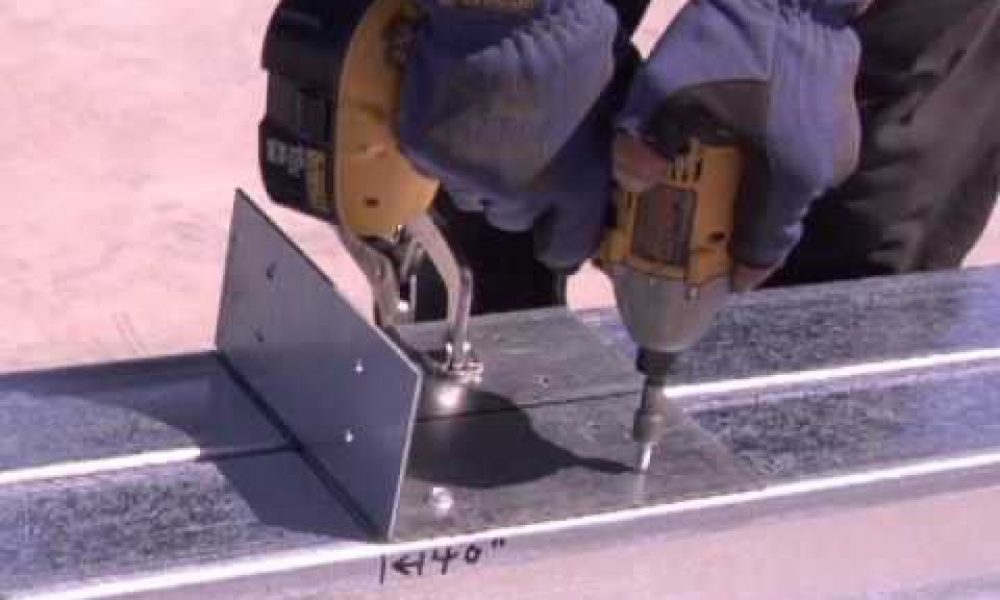
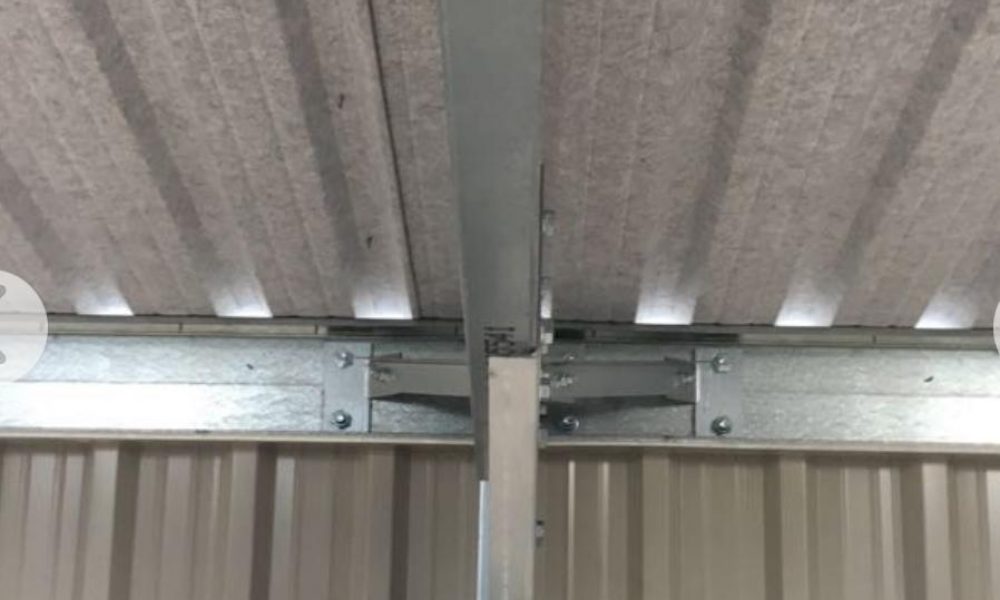
Cleat Connections
C Section & Purlin style buildings
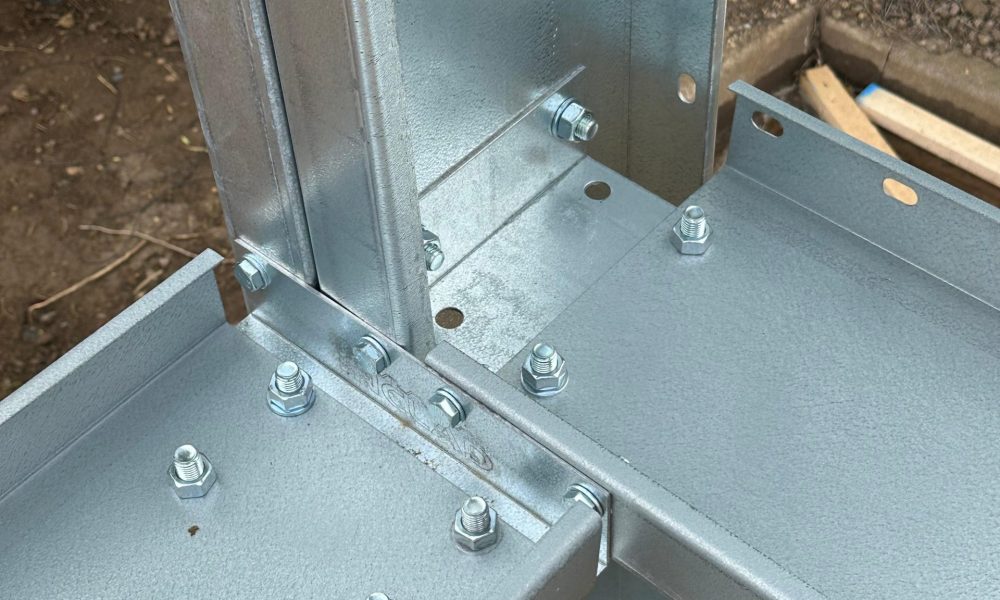
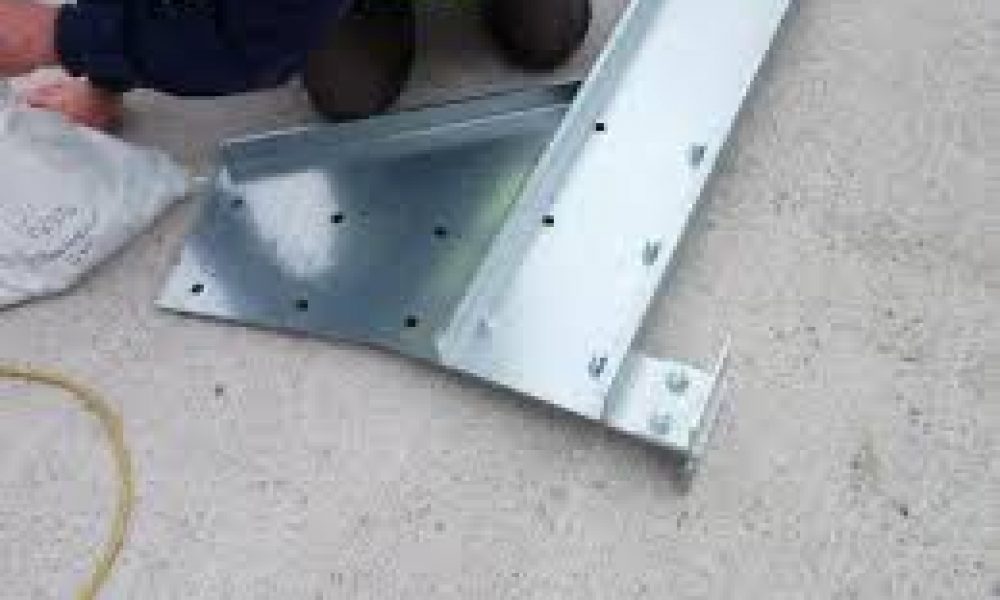
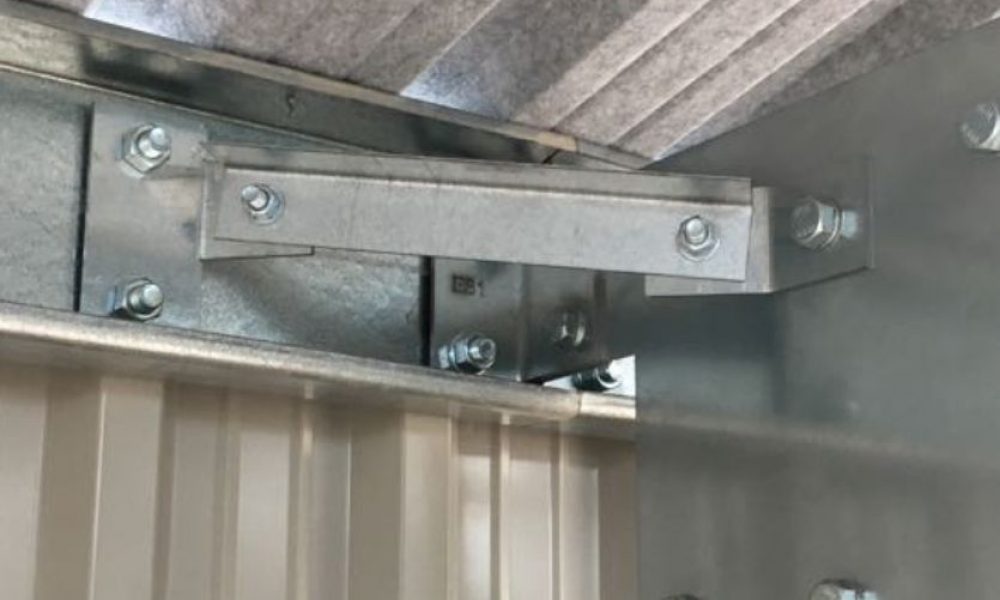
Precision-engineered cleat connections
Stronger fixing points
Improved alignment and fit
Increased structural reliability
Tophat Style Buildings
Standard cleat connections
Less precise alignment
Reduced fixing strength
Greater tolerance variation
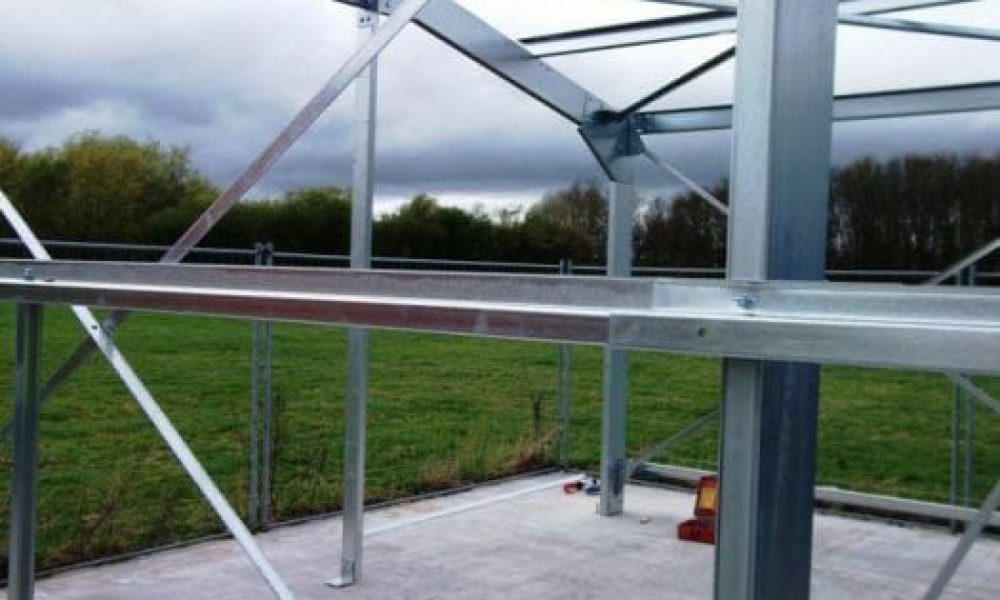
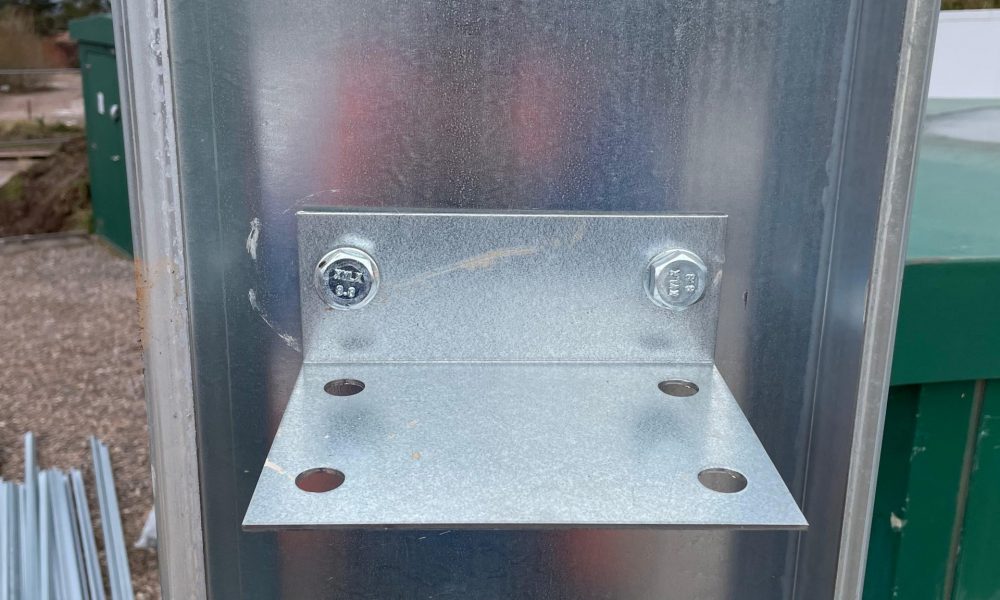
Base Cleat System
C Section & Purlin style buildings
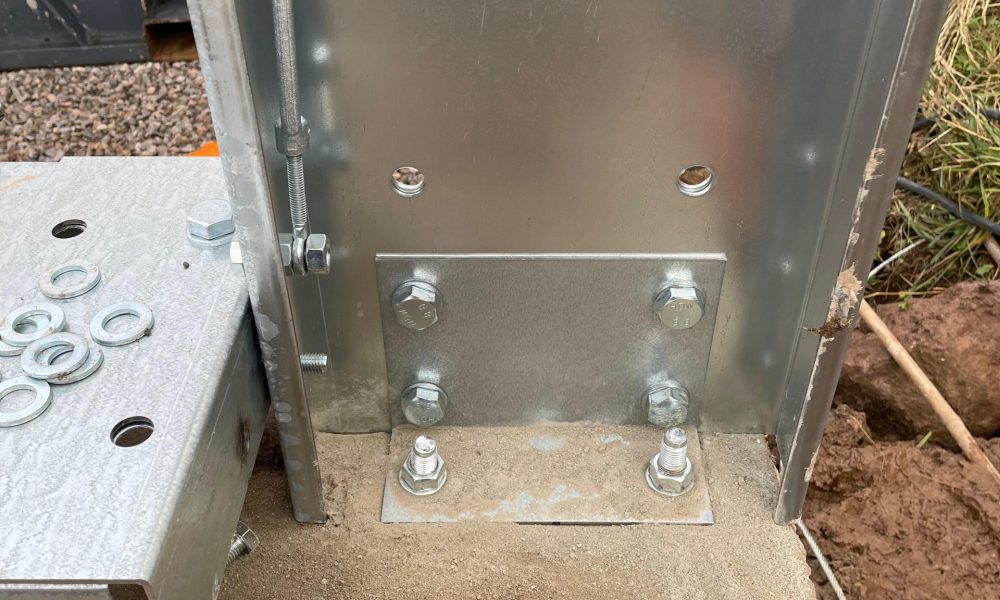
Heavy-duty base cleat system
Secure anchoring to foundation
Improved load transfer to ground
Enhanced structural stability
Tophat Style Buildings
Lighter base cleat design
Reduced anchoring strength
Less efficient load transfer
Increased movement potential
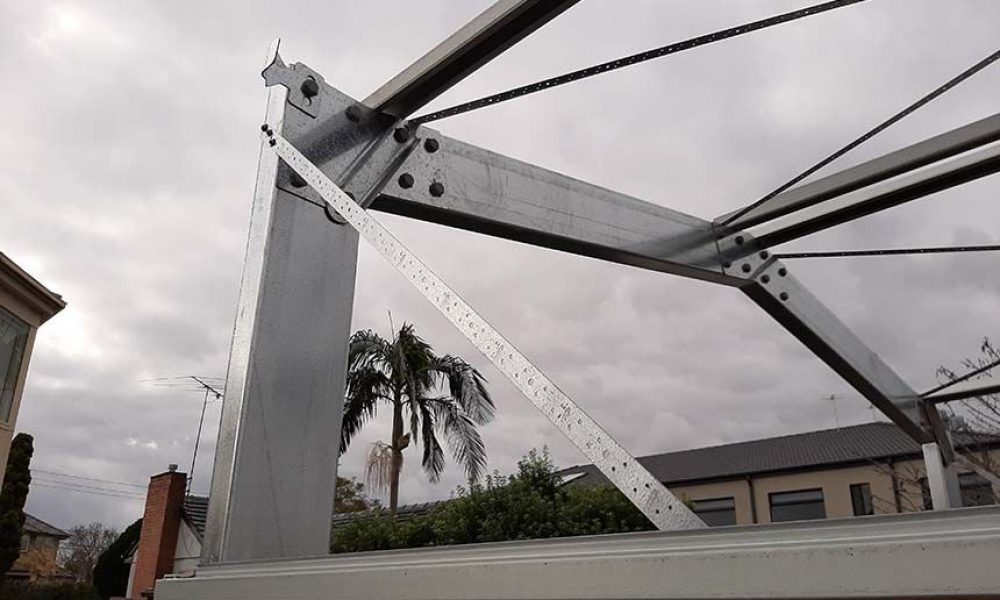
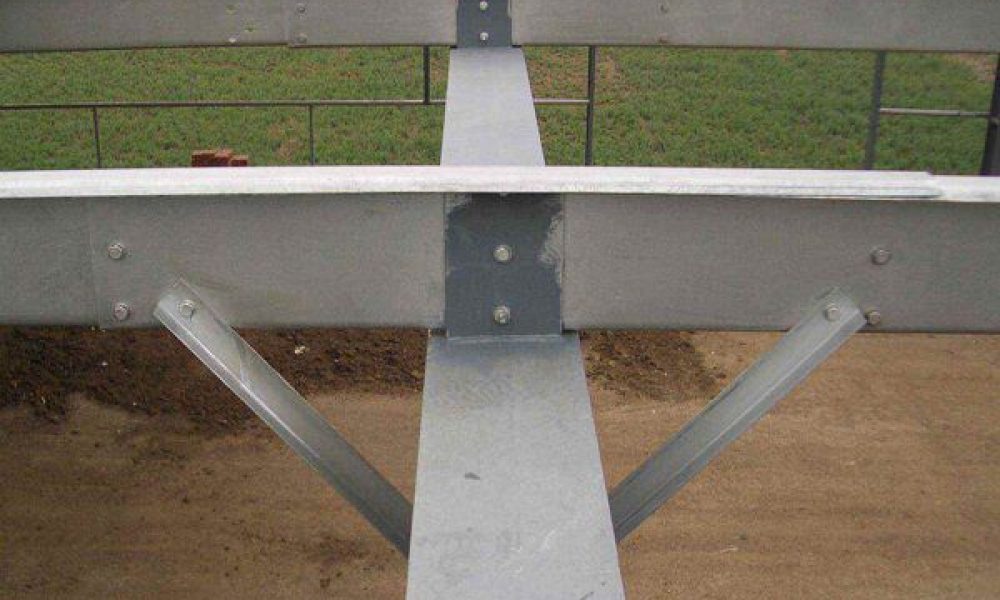
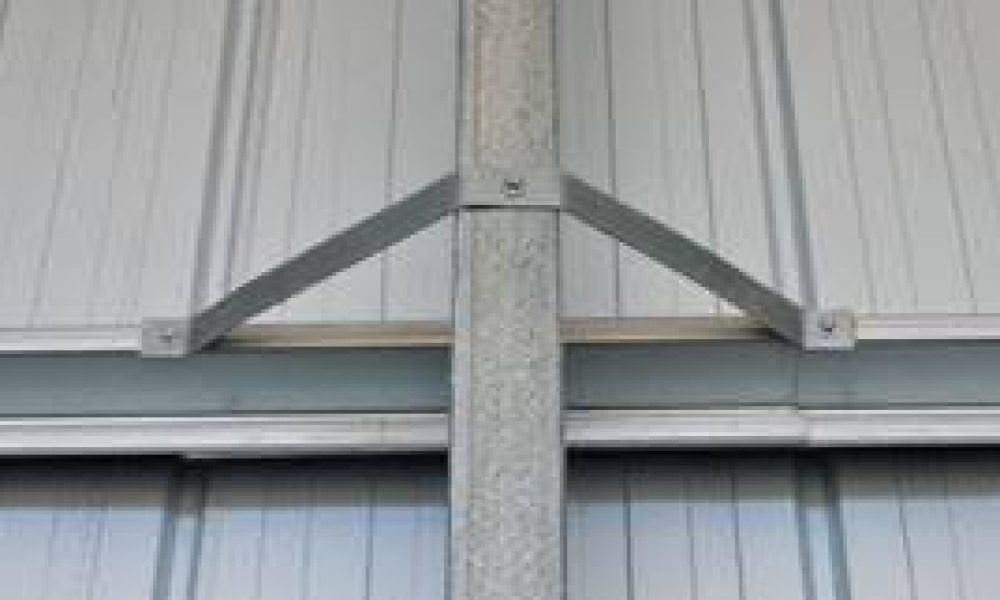
Purlin Stays
C Section & Purlin style buildings
Reinforced purlin stay system
Increased roof stability
Better load distribution across purlins
Reduced deflection over time
Tophat Style Buildings
Basic purlin stay system
Less reinforcement
Reduced load distribution efficiency
Increased risk of movement
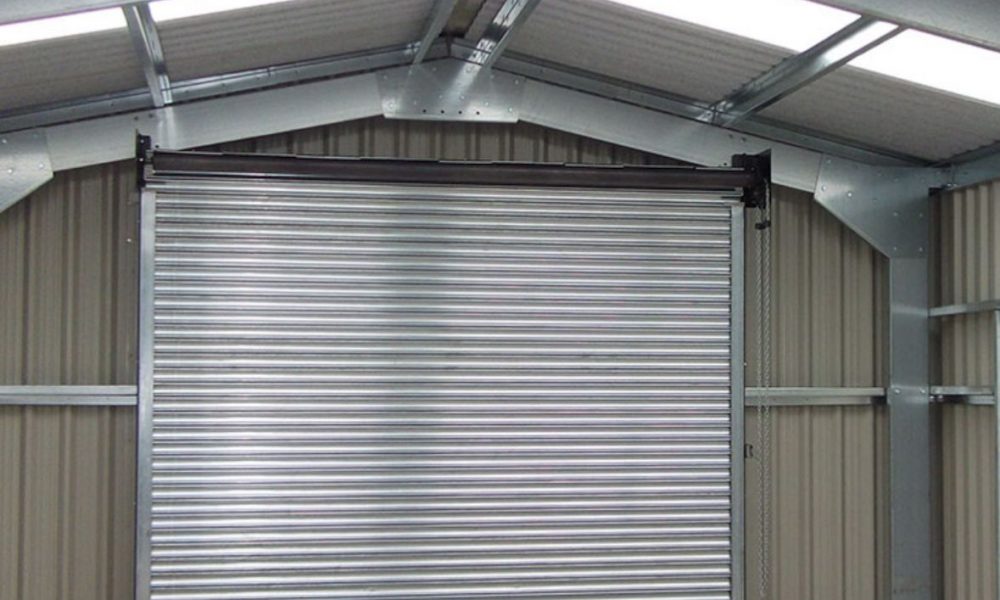
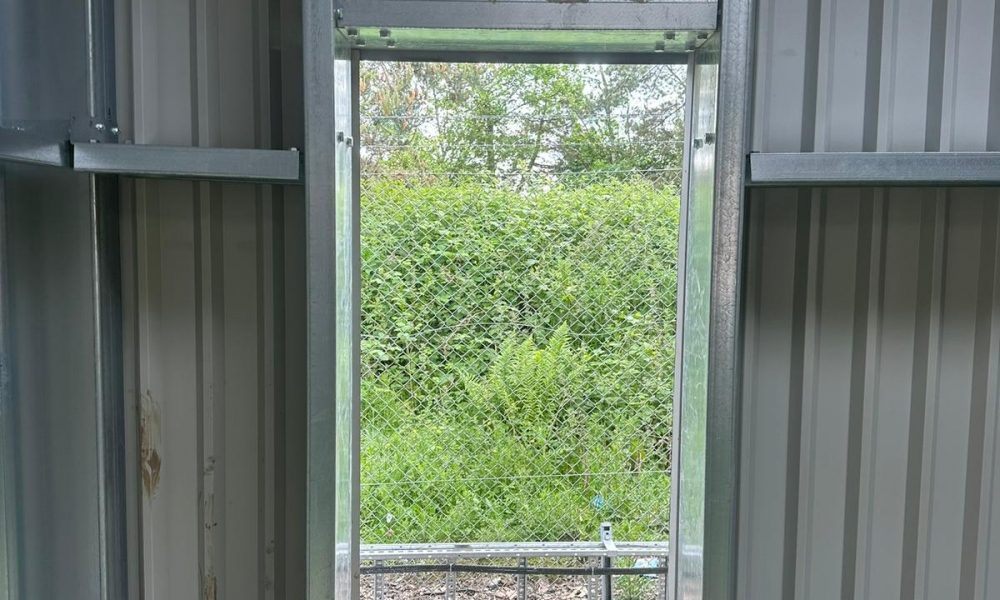
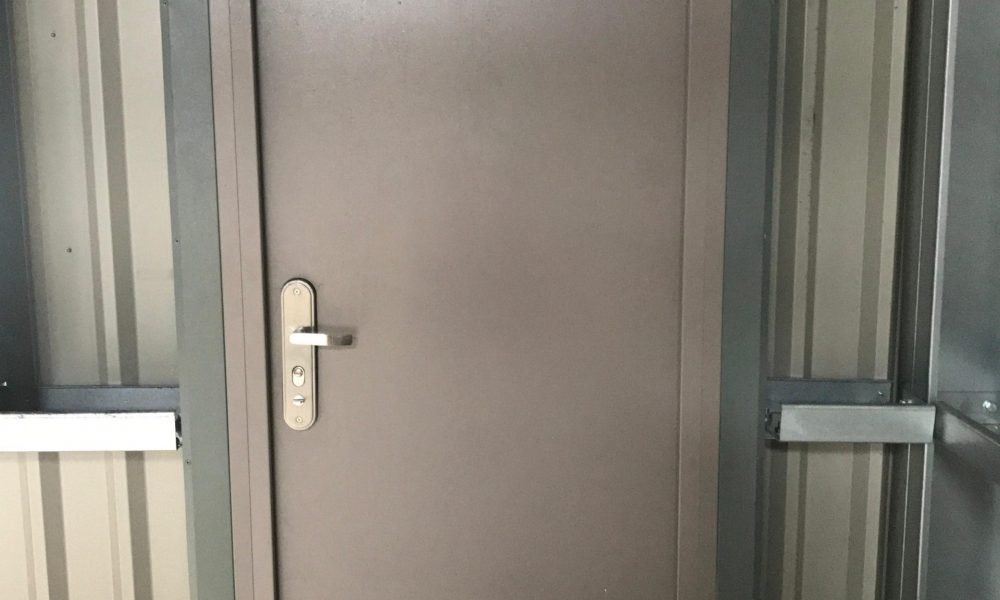
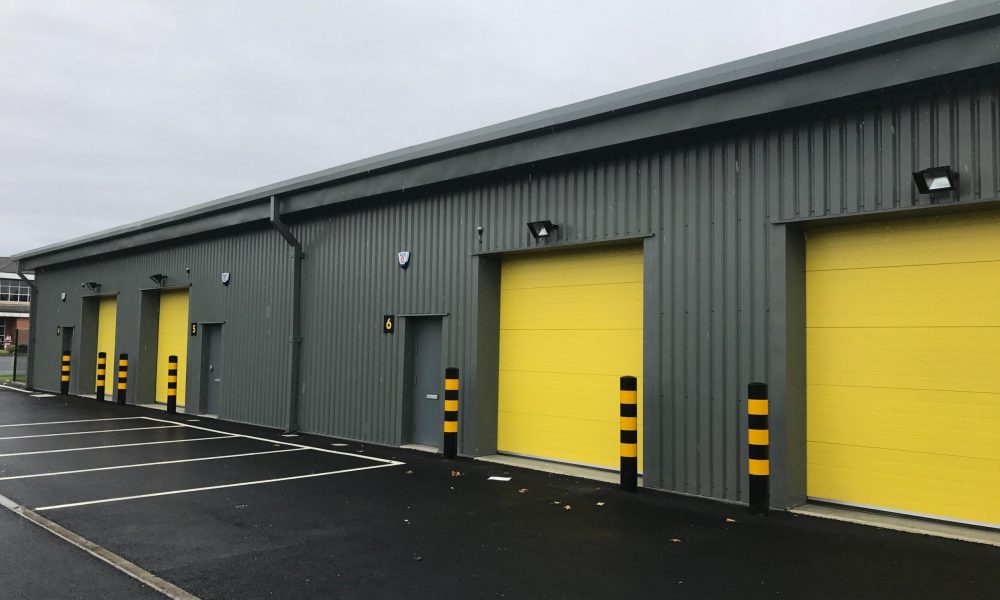
Door System
C Section & Purlin style buildings
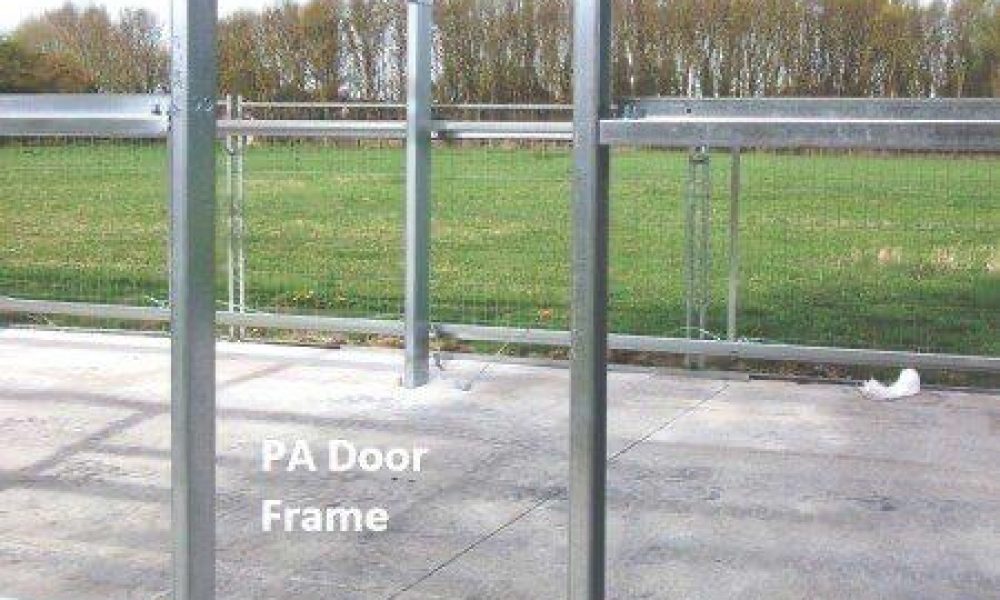
Reinforced door framing
Improved structural support around openings
Better alignment and operation over time
Designed for durability under frequent use
Tophat Style Buildings
Standard door framing
Less reinforcement around openings
Greater risk of movement over time
Reduced long-term durability
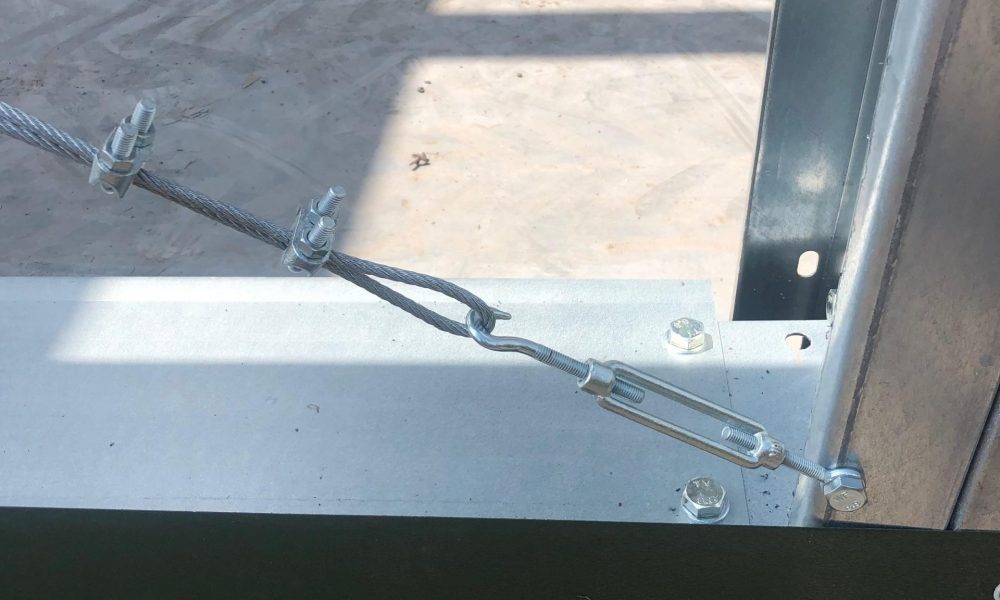
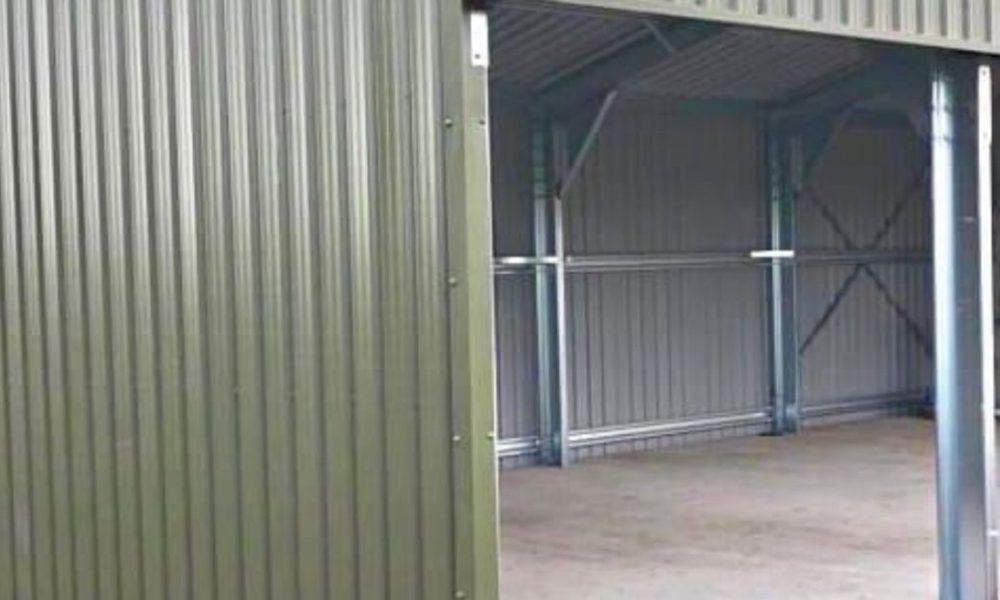
Bracing System
C Section & Purlin style buildings
Fully engineered bracing system
Increased lateral stability
Designed to handle wind loads effectively
Improved overall structural performance
Tophat Style Buildings
Basic bracing system
Reduced lateral stability
Less effective under high wind loads
Lower overall structural performance
Cladding Buildup
C Section & Purlin style buildings
High-quality cladding system
Improved insulation performance
Better weather resistance
Designed for long-term durability
Tophat Style Buildings
Standard cladding system
Basic insulation performance
Reduced weather protection
Shorter lifespan
Sway and Stability
C Section & Purlin style buildings
Designed to minimise structural movement
Increased rigidity across the frame
Better performance under load conditions
Improved long-term stability
Tophat Style Buildings
Greater potential for movement
Reduced overall rigidity
Lower performance under load
Increased long-term wear
In simple terms:
Tophat frames need extra bracing to stop them moving.
Our C-section frames don’t — they’re engineered to be stable from the start.
Load Capacity
C Section & Purlin style buildings
Designed for higher load capacity
Suitable for demanding applications
Greater safety margins
Engineered for long-term performance
Tophat Style Buildings
Designed to meet minimum load requirements
Limited performance under higher loads
Reduced safety margins
Not suited for more demanding applications
Compliance
C Section & Purlin style buildings
Fully compliant with UK building regulations
Manufactured to industry standards
Certified and quality controlled
Designed for long-term reliability
Tophat Style Buildings
Meets minimum regulatory requirements
Standard compliance approach
Less focus on long-term performance
Built to basic specification levels
Durability
C Section & Purlin style buildings
Built for long-term durability
High-quality materials throughout
Reduced maintenance requirements
Designed to last
Tophat Style Buildings
Shorter expected lifespan
Standard material quality
Higher maintenance over time
Reduced long-term value
Join the Inclad Trade Network
If you're a builder or contractor ready to take the next step, we'd love to hear from you.
Call our team today or fill in the form below to apply for a trade account.